Installing valves on fire hydrants is a smart idea. The […]
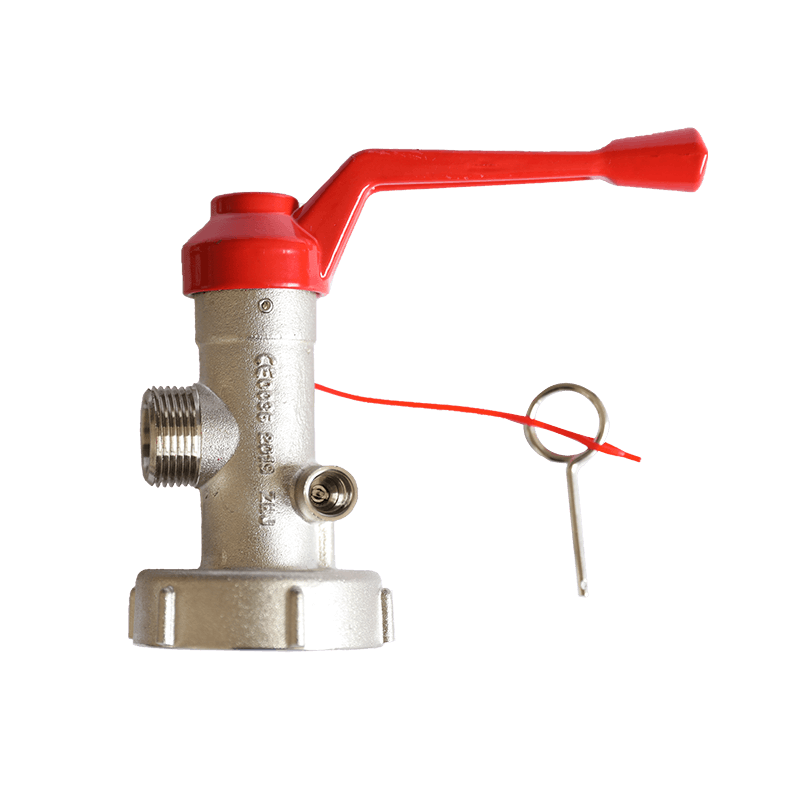
Installing valves on fire hydrants is a smart idea. These types of valves are much more reliable than protective caps, which can lead to a major accident. These valves can prevent the hydrant from overflowing and causing serious injury.
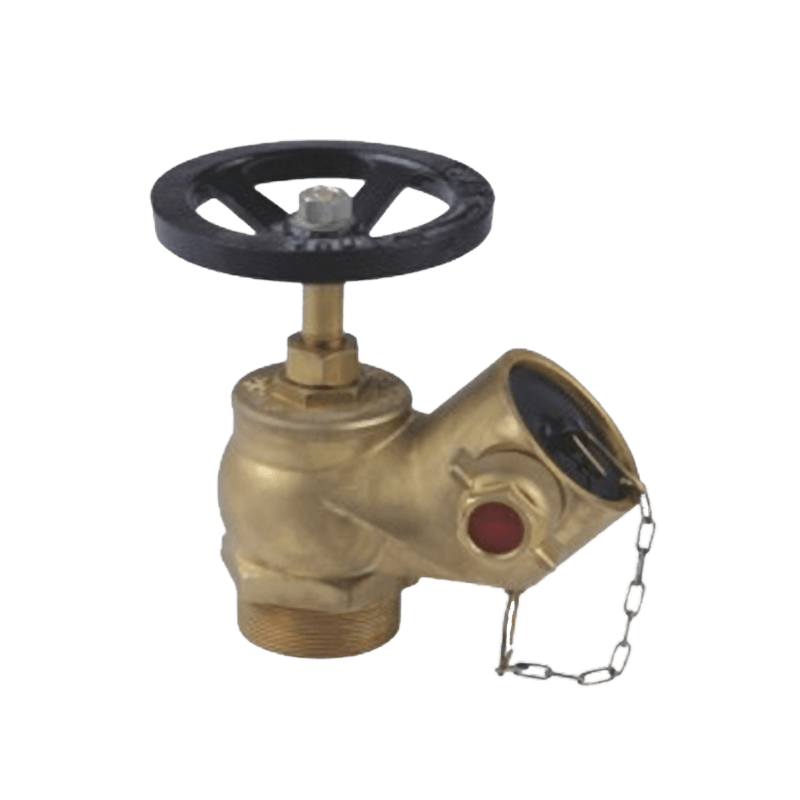
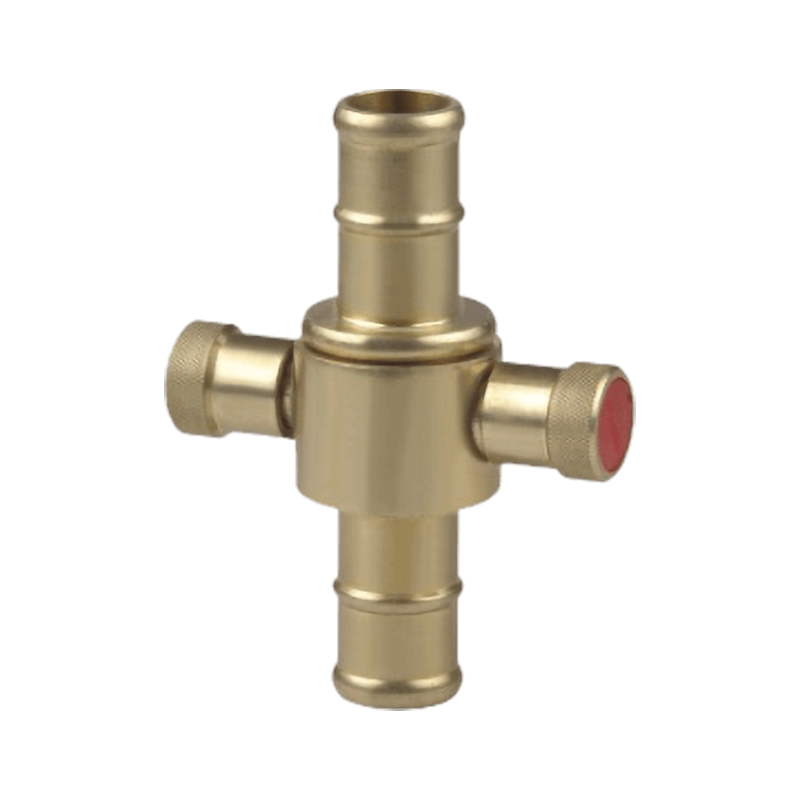
Landing valves are the heart of a comprehensive firefighting system. They are installed on fire hydrants and can be either internally or externally mounted. Both have the same general function: to help firefighters fight fires with water. They are durable, freeze-proof, and operate under fire testing regulations.
These valves provide a means for firefighting and are commonly found in fire stations and other emergency facilities. They are primarily used for fighting large fires and allow firefighters to douse them from a distance. A fire hydrant valve system includes a pumping facility that draws fluid from a reservoir and supplies it to the hydrant positions. The pressure required by fire hydrant valves varies depending on the size and type of the fire and the type of equipment being used. Large industrial complexes may need up to 100 psi of pressure, while smaller homes and businesses may only need four to five kg/cm2.
A Landing valve for a fire hydrant system can be either a brass or an aluminium model. Landing valves for Fire Hydrant valve systems come in various thread and outlet configurations to meet the requirements of different installations.
Fire Hydrant Valves are a basic piece of equipment for fire-fighting operations. They are installed in the ground floor of buildings and are a critical component of a comprehensive fire-fighting system. These valves are able to withstand severe environments and are built to be durable and robust. They are also operable and compliant with fire testing standards.
The primary purpose of fire hydrant valves is to control the flow of water into the fire hose. This is vital as sudden changes in the flow of water can damage fire fighting equipment. The reason for this is that water lacks the compressibility to hold its own pressure, so it would prefer to move elsewhere. This sudden increase in pressure is known as a hydraulic transient, or a pressure surge, and can damage a pipe or other equipment.
Oblique Fire Hydrant Valves are a great way to provide rapid fire service to buildings. These valves have one head and can be used in both urban and rural locations. They are designed to meet BS5041 Part 1 specifications and are available in a variety of designs. Some are suitable for marine environments, while others are used in high-rise buildings.
Oblique Fire Hydrant Valves are typically made of high-quality materials and are designed to regulate the flow of water and fire suppressing agents. They are non-return valves, which means that they will prevent the flow of fire suppression agents in the wrong direction.
 简体中文
简体中文 English