Fire Extinguisher Valves are designed to be simple and […]
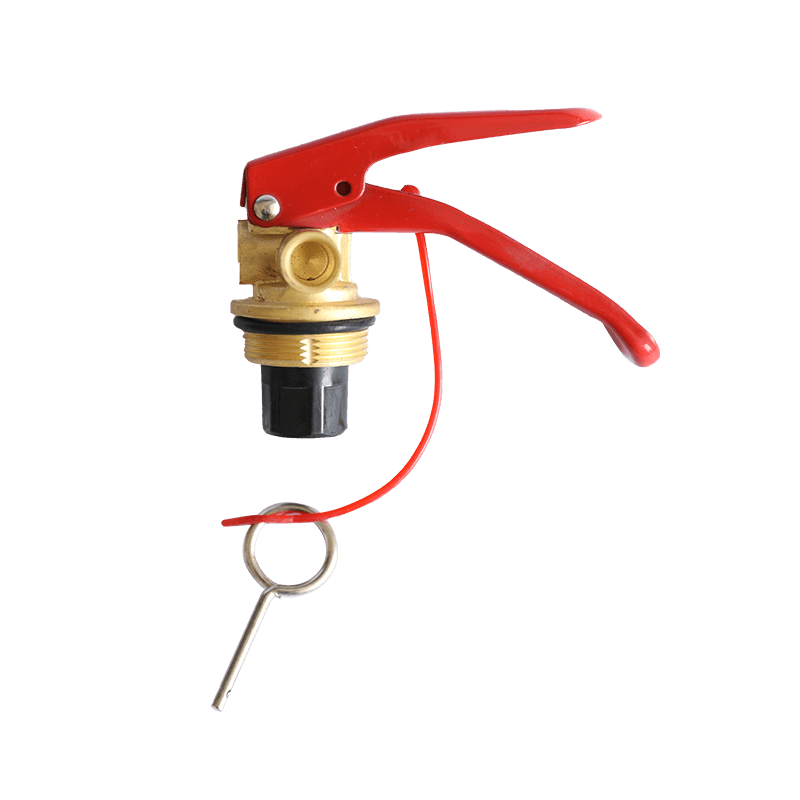
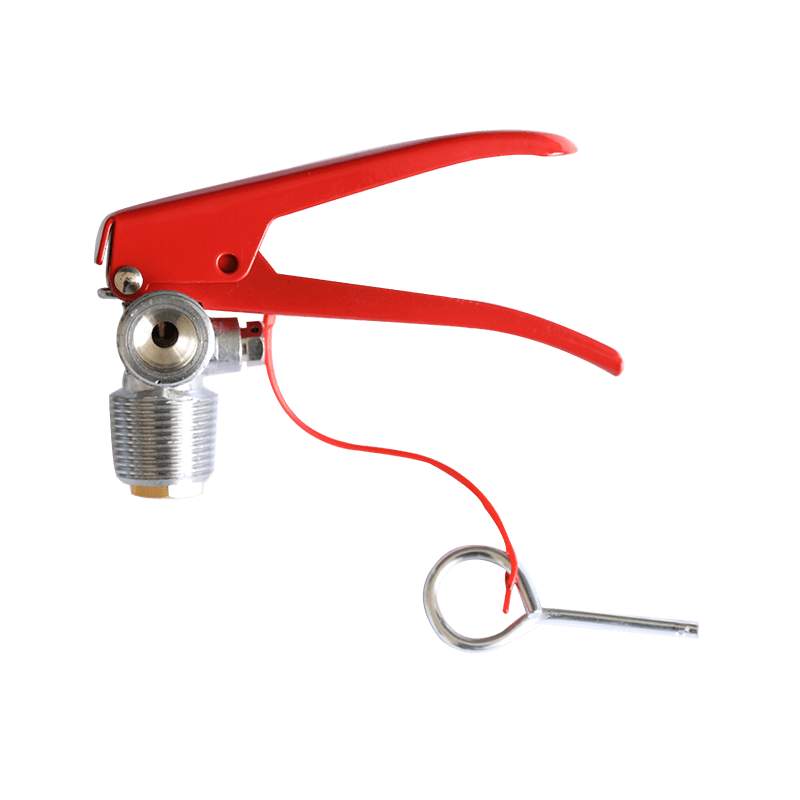
Fire Extinguisher Valves are designed to be simple and reliable. These valves meet the stringent requirements of fire extinguisher use, including positive sealing against high pressures, rapid opening and closing, and the ability to be assembled and disassembled easily. They also feature a simple gasket replacement procedure for a quick and easy replacement.
The valve mechanism controls the discharge of the fire extinguishing composition from a pressurized fire extinguisher. It consists of an inlet portion 18a and an outlet portion 18b. Inlet and outlet portions are connected to a discharge nozzle passage 19. A pipe 17 extends downward from the valve body and upward through the bore to the discharge nozzle.
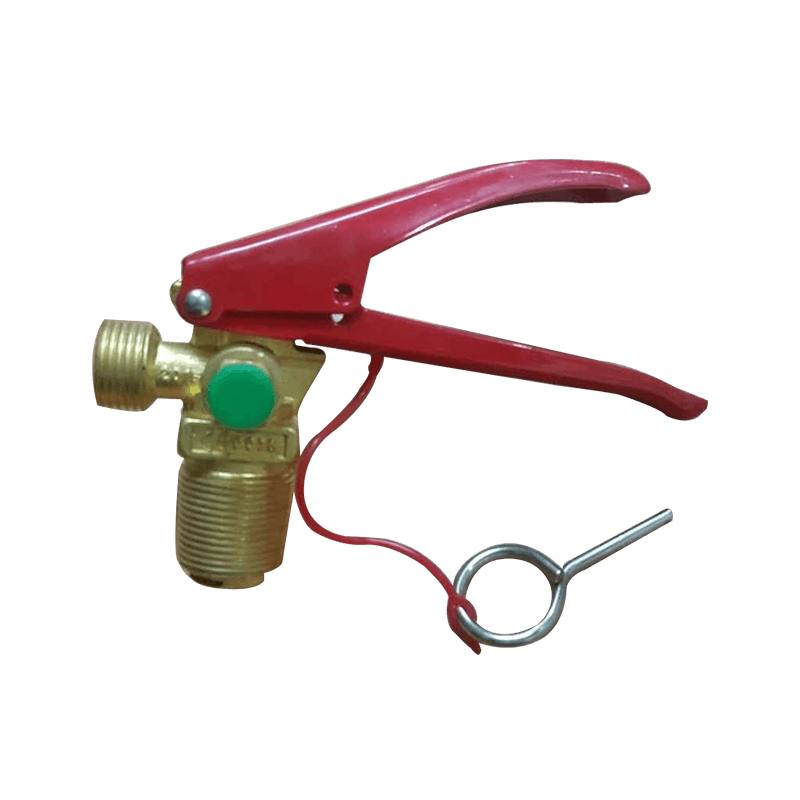
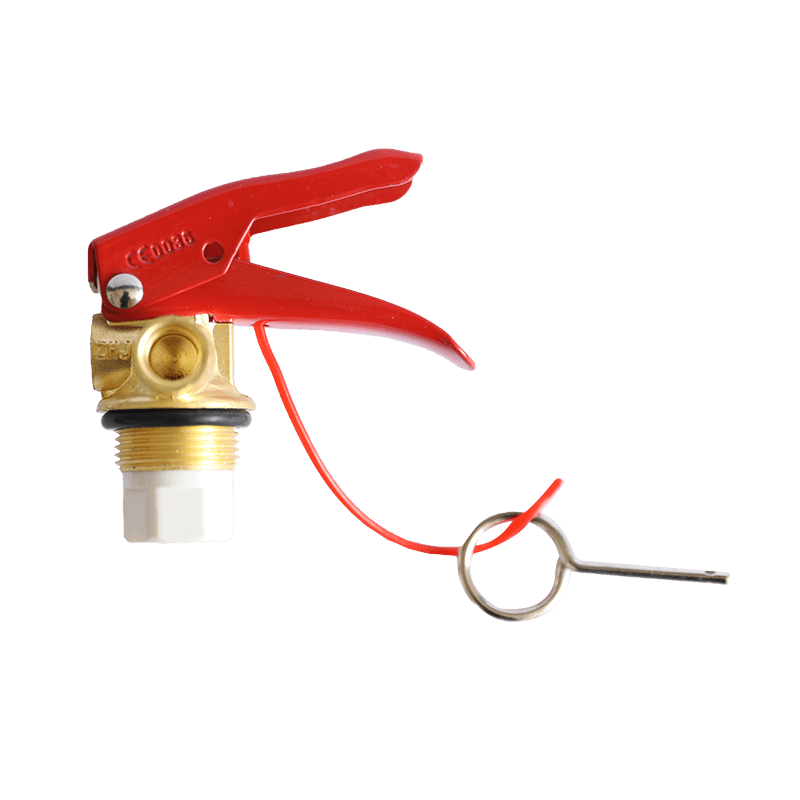
The valve controls the flow of the agent and connects the carry handle and operating lever. The operating lever is a metal piece that must be pushed in order to operate the fire extinguisher. When operated properly, the operating lever cannot be pulled out until the pull pin is removed.
A resiliency mechanism is a device in which a movable resilient member moves along a wiping surface, such as the wiping surface of a fire extinguisher valve. This mechanism uses a portion of the resilient member's elasticity to wipe away particles on the wiping surface while closing the valve. The resiliency mechanism is effective because the resilient member is compressed to a level of approximately 25 to 35 percent of its total compressibility. This compression conserves a considerable amount of energy.
In this way, the resilient member wipes away a portion of the powder that adheres to the wiping surface before it reaches the seat area. This resilient mechanism is a fundamental part of a fire extinguisher valve.
A metal bushing 28 is interposed between the resilient member and the valve stem portion. It limits the amount of compression of the resilient member and provides a leak-proof seal while the valve is closed.
Fire extinguisher valves are designed to open and close with ease, keeping a positive seal against high pressures and allowing quick opening when needed. The valve is also designed to be easy to assemble and disassemble, allowing a replacement gasket to be added easily.
The valve attaches to the fire extinguisher via a shaft or guide. Its lower end forms a passage, and the inner end is a threaded part that engages the corresponding threaded opening in the fitting. The valve seat 29 is offset from the center to prevent accidental depression of the handle or operation of the valve.
The valve has a hole formed in its piercing member holder. This hole is designed to receive the gushed fire extinguishing gas that is gushed out of the gas cylinder when the control valve opens. This hole is then connected to a jetting port in the gas cylinder, allowing the extinguishing gas to escape through the hole.
 简体中文
简体中文 English