There are various types of Fire Hydrant Valves. These i […]
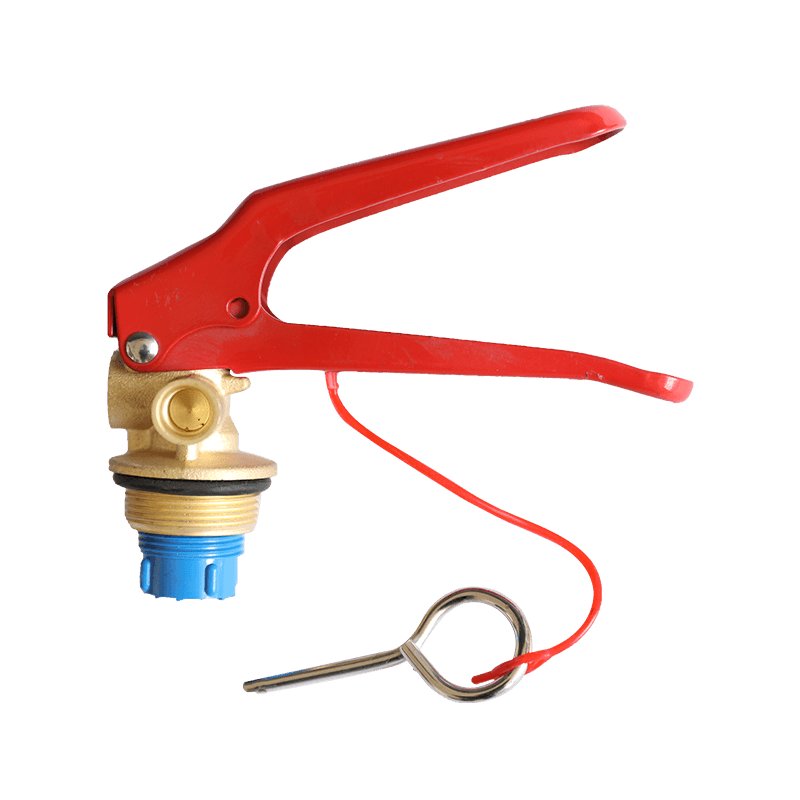
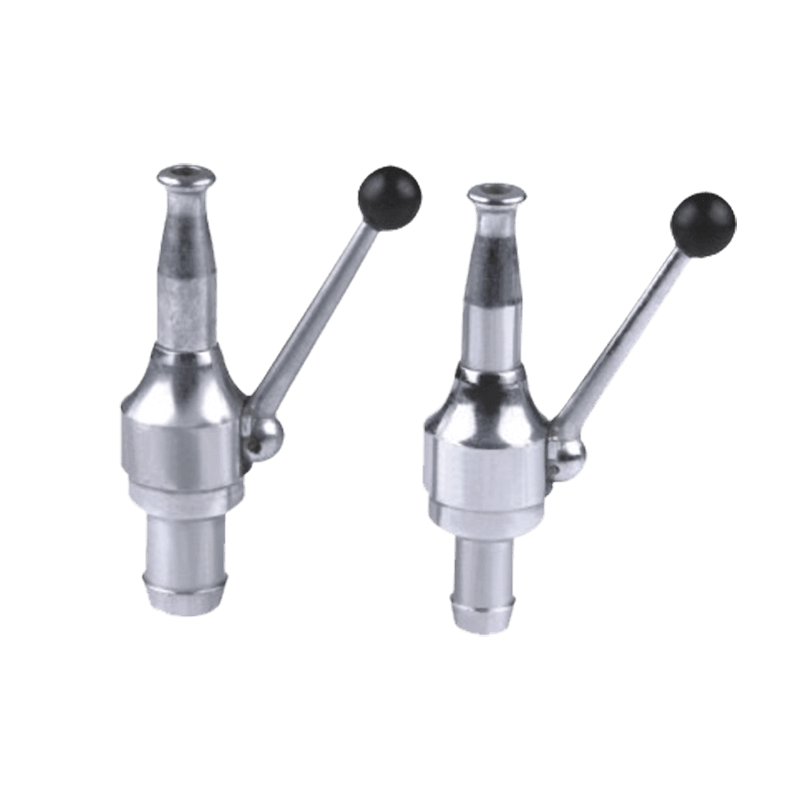
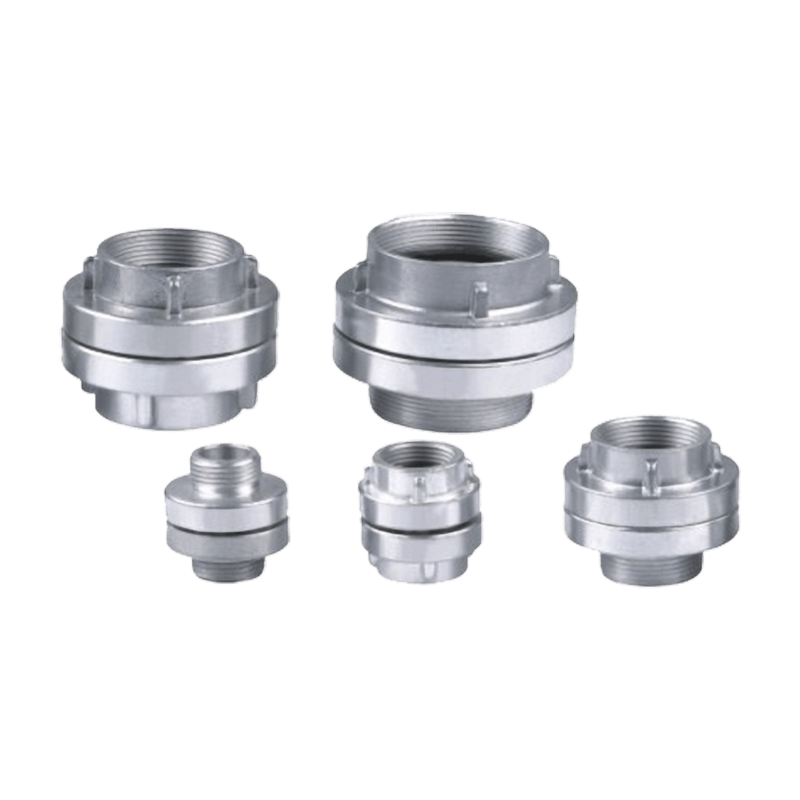
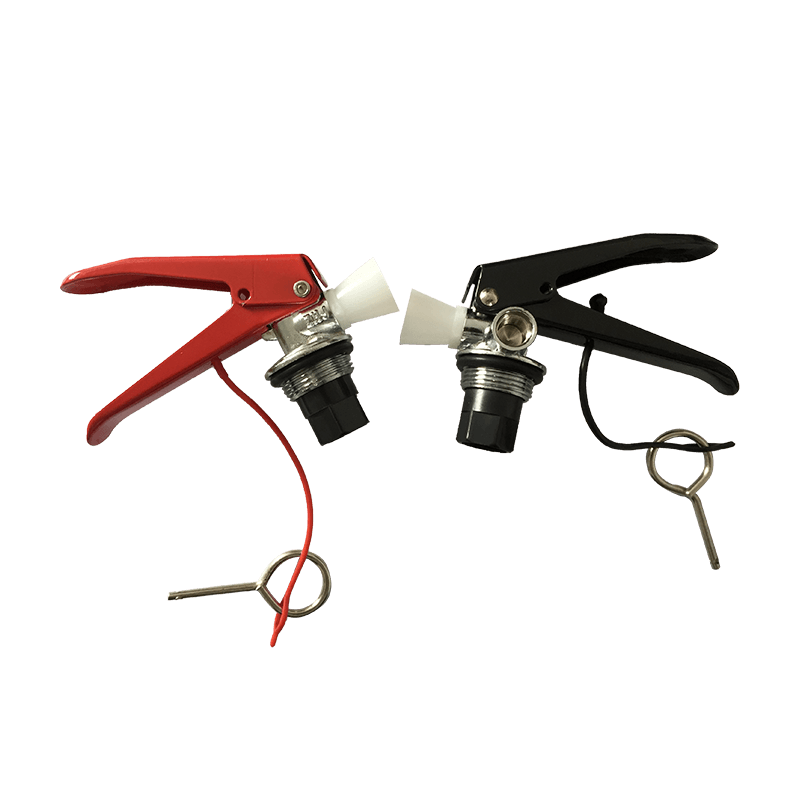
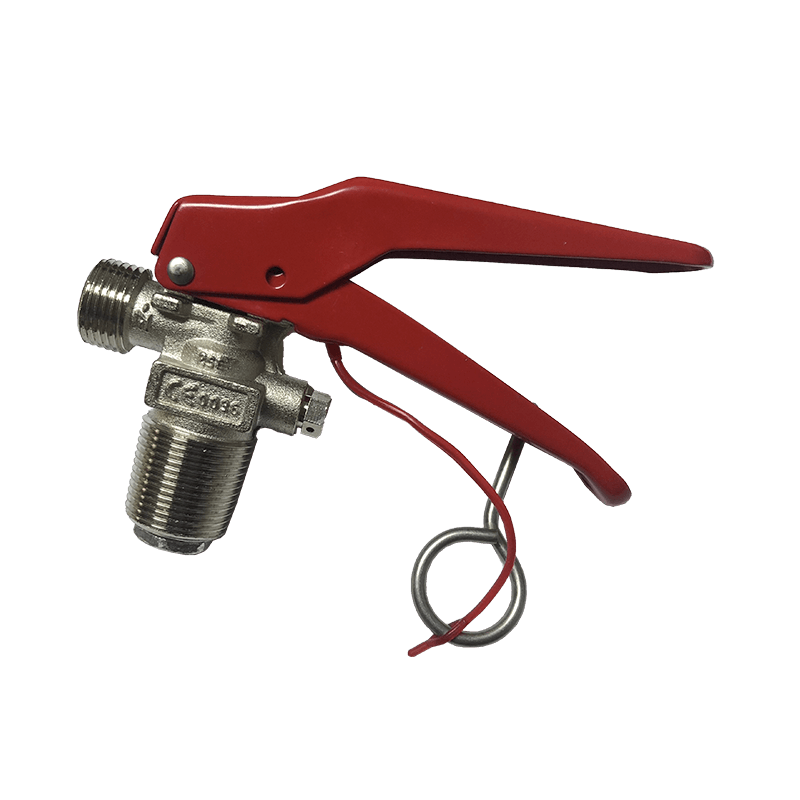
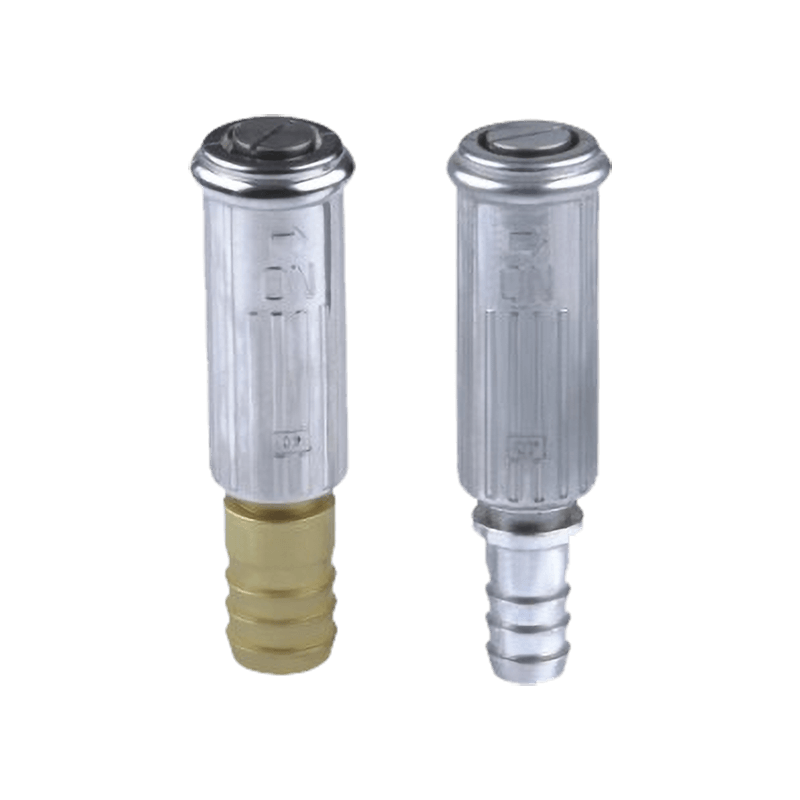
There are various types of Fire Hydrant Valves. These include Non-return, check, flow control, and pumper nozzles. It is vital to know what type you need and how it fits in your application.
Flow control valves
Flow control valves for fire hydrants are used to control water flow from a hydrant. The valves prevent hydraulic flow reversal and prevent potentially hazardous backflow from the hydrant. They are designed with a retaining screen to maintain fluid flow around the ball. The retaining screen is located inside the valve body and is connected to three radial spokes.
Flow control valves for fire hydrants are designed for retrofitting into an existing fire hydrant. They are available with an integrated drain assembly and/or male and female thread connections on the outer perimeter. The valve housing is threaded and can be inserted into an existing fire hydrant with ease.
Non-return valves
Fire hydrants and valves should be as reliable as possible, as firemen rely on them to protect lives and valuables. When every second counts, reliability is of the utmost importance.
Fire hydrant valves help firefighters fight fires by regulating the flow of water and other fire suppressing agents. Non-return valves are designed to prevent fire-fighting agents from flowing backwards, so that water can be delivered in the direction it is intended. In most cases, fire hydrant valves operate on a full-on or full-off basis. These valves must operate at a high pressure in order to be effective in fighting fires.
Pumper nozzles
Fire hydrants provide water to fight a fire and are a necessary safety device. While fire hydrants vary in size and location, they always provide water of a powerful pressure. A fire engine may boost the pressure or split the water into multiple streams, depending on the type of water hydrant.
Pumper nozzles for fire hydrants are usually a three-inch or smaller nozzle with an opening for attaching a fire hose. The valve seat ring contains packing rings that are compressed by a nut or other means to prevent leakage. Typically, the hose and pumper nozzle connection threads into the nozzle section, and the nut holds the nozzle in place with a stainless steel set screw.
 简体中文
简体中文 English