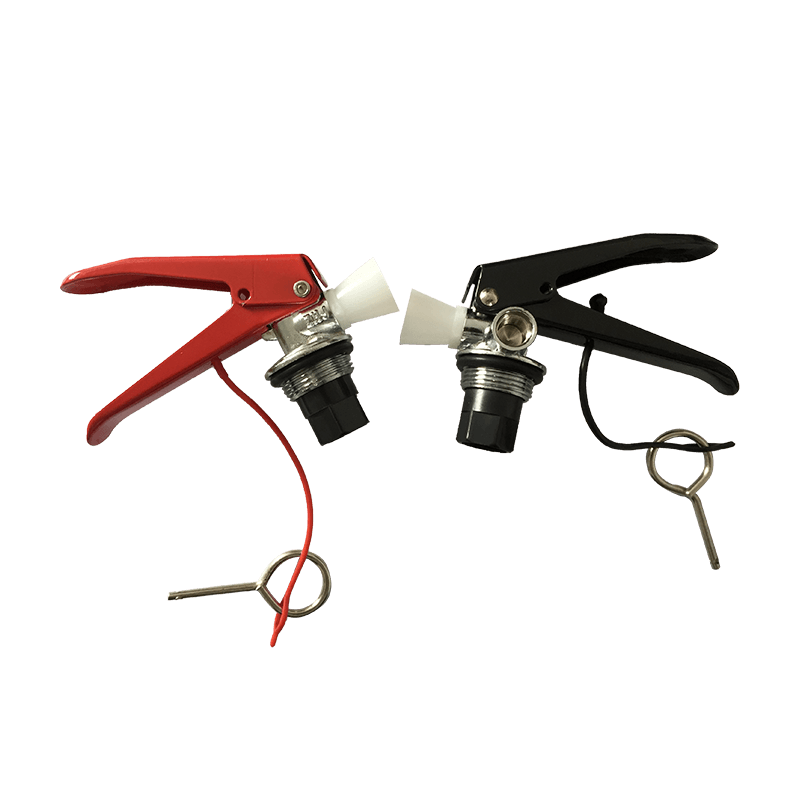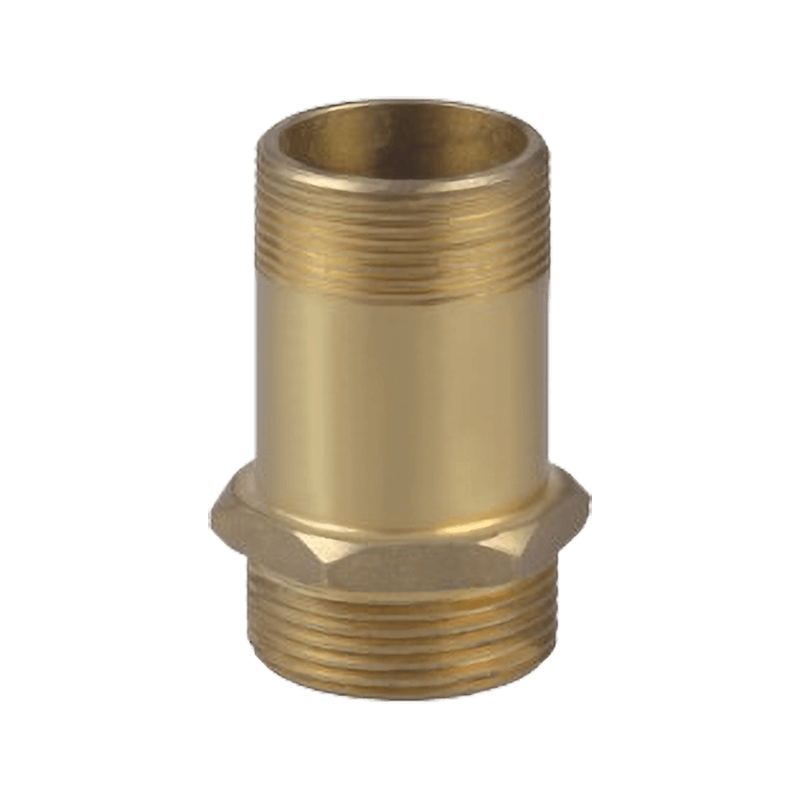
Fire hydrants have valves that control the flow of wate […]
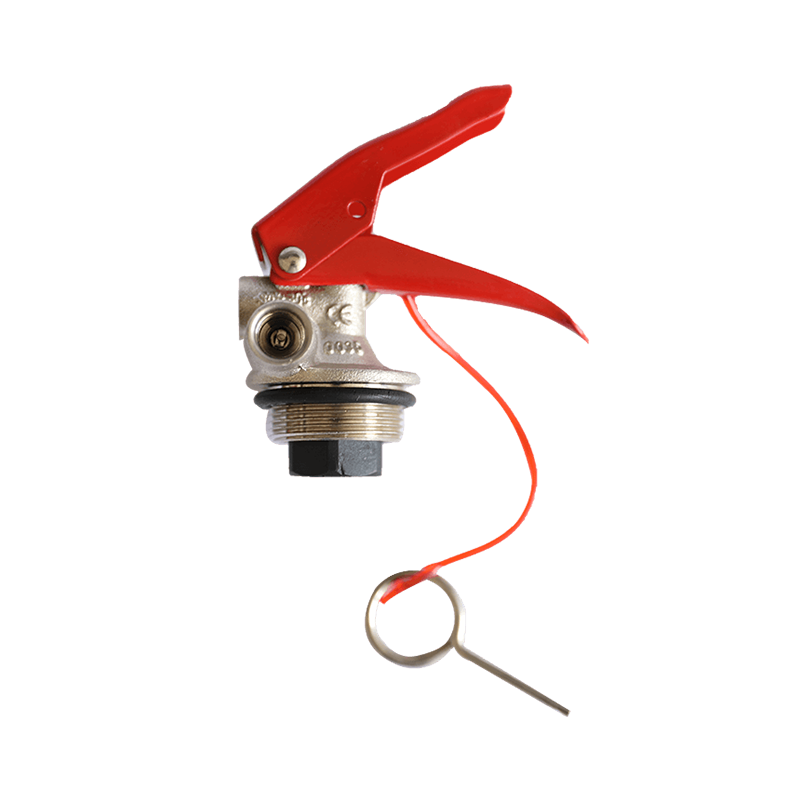
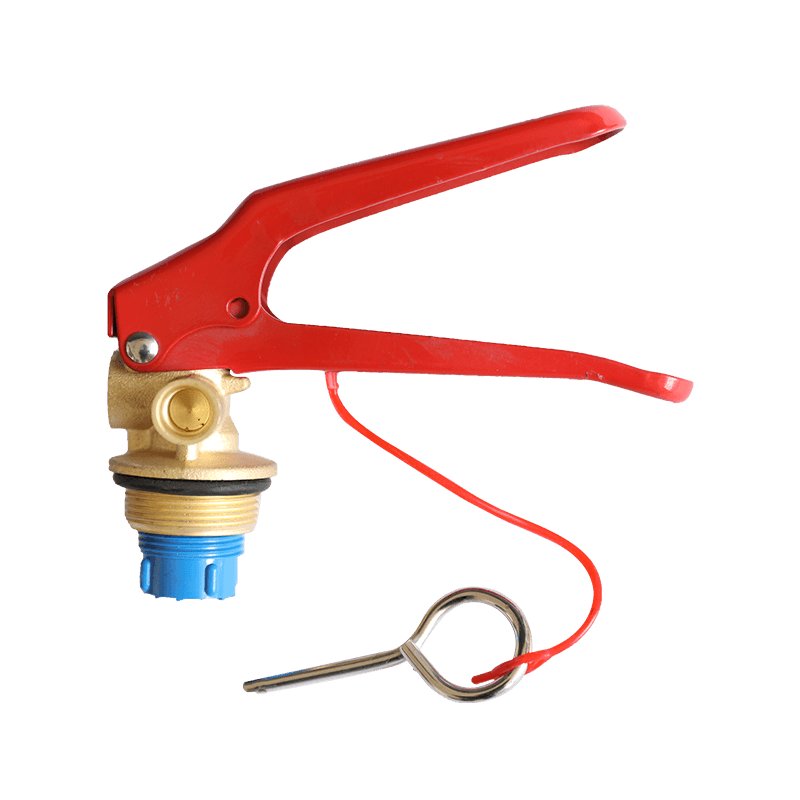
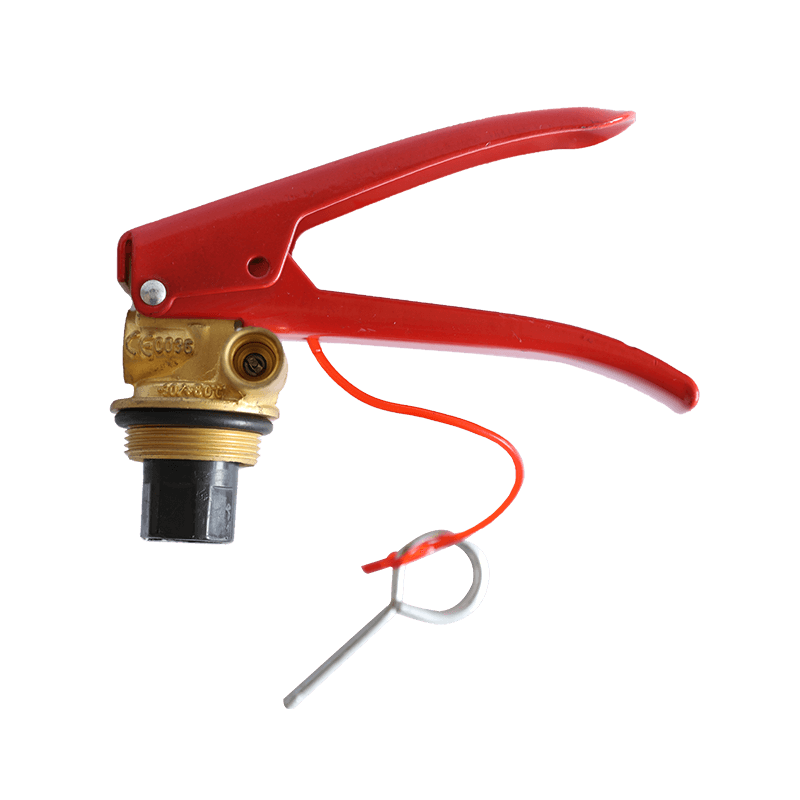
Fire hydrants have valves that control the flow of water. They can be of two types: one type is a single piece, known as the upper standpipe, and another type is a double-piece system, called the lower standpipe or the spool.
Gate valves
A Fire Hydrant Gate valve is an integral part of your fire protection system. These valves are used to control the flow of water into a fire hydrant. A gate valve has an inlet and outlet that is connected to the main by a six-inch ductile iron or polyethylene pipe. The valve is secured to the tee off the main by a restrained connection.
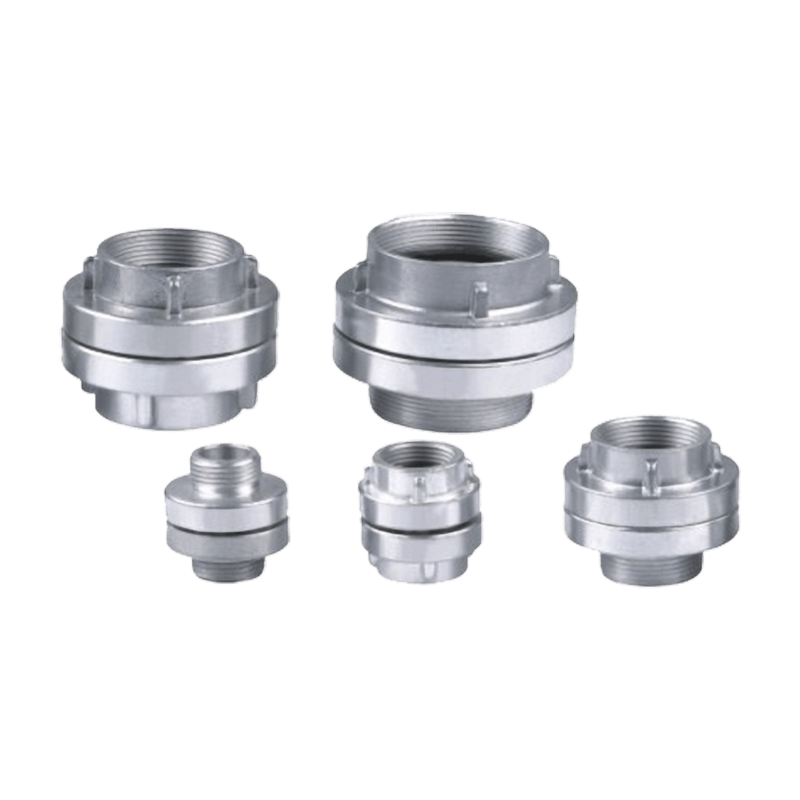
Fire Hydrant Gate valves are available in a variety of sizes and configurations. The 2.5-inch NH male swivel gate valve is ideal for most water control applications and has a non-rising stem for easy opening and closing. It also has a built-in slow-close safety feature for added safety. This valve is made from lightweight aluminum and has a 250-PSI pressure rating. These valves are available in Brass, Polish Chrome, or hard-coat aluminum anodized to meet Military Specifications.
Butterfly valves
Butterfly valves are an efficient way to control the flow of water from a fire hydrant. They are lightweight and easy to install and maintain. They can also be repaired easily if they become damaged. In addition, their low-maintenance design makes them less likely to cause damage to other equipment in a fire.
Butterfly valves consist of a body and a seat. The body consists of a disc that slides between two pipe flanges. The seat acts as a liner between the disc and the body, ensuring that the valve remains airtight when closed. Both the disc and the seat are exposed to the material flowing through the pipe. Some butterfly valves are grooved while others are wafer-shaped.
Non-return valves
Fire hydrant valves regulate the flow of fire suppressing agents by partially obstructing the passageways in the hose connector. Designed to prevent water from flowing in the wrong direction, non-return valves are available in various styles to meet the demands of various fire departments. These valves are manufactured by Ansultech Fire Systems, a company that provides an extensive line of fire fighting products.
Fire hydrant valves are an important part of any fire department's fire fighting equipment. They are effective at fighting large fires and enable firefighters to fight fires from a distance. Fire hydrant systems are usually equipped with pumping facilities that draw water from a reservoir and supply it to the hydrant points. The pressure rating of fire hydrant valves varies depending on the size of a building.
Installation
Before installing a fire hydrant valve, be sure to remove any foreign material. You should also check that all of the flange surfaces are level. Also, make sure that the valve's dimensions match the flange on the connecting pipe. The seat valve gasket should also be checked to ensure that it is not damaged. Finally, you should make sure that all of the valve's parts are in good condition and free from damage.
Fire hydrant valves must be installed with care and in accordance with the corresponding drawings. When mounting a fire hydrant valve, the center line of the hydrant's riser pipe should be aligned with the center line of the opening in the shaft. Then, the hose reel drum shall be mounted by bolting the hose reel drum to the flange using the holes provided.
 简体中文
简体中文 English