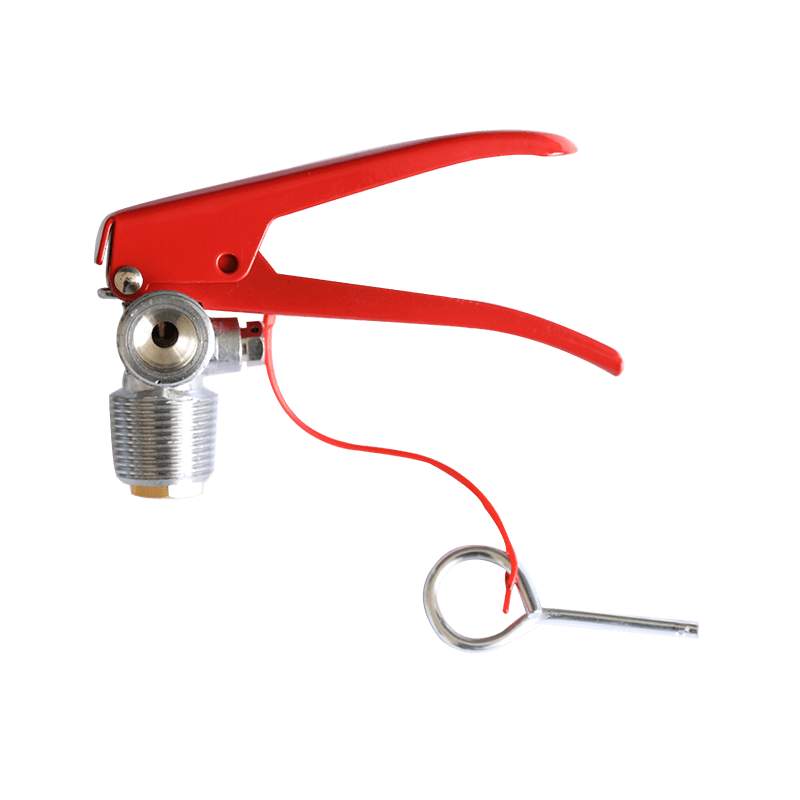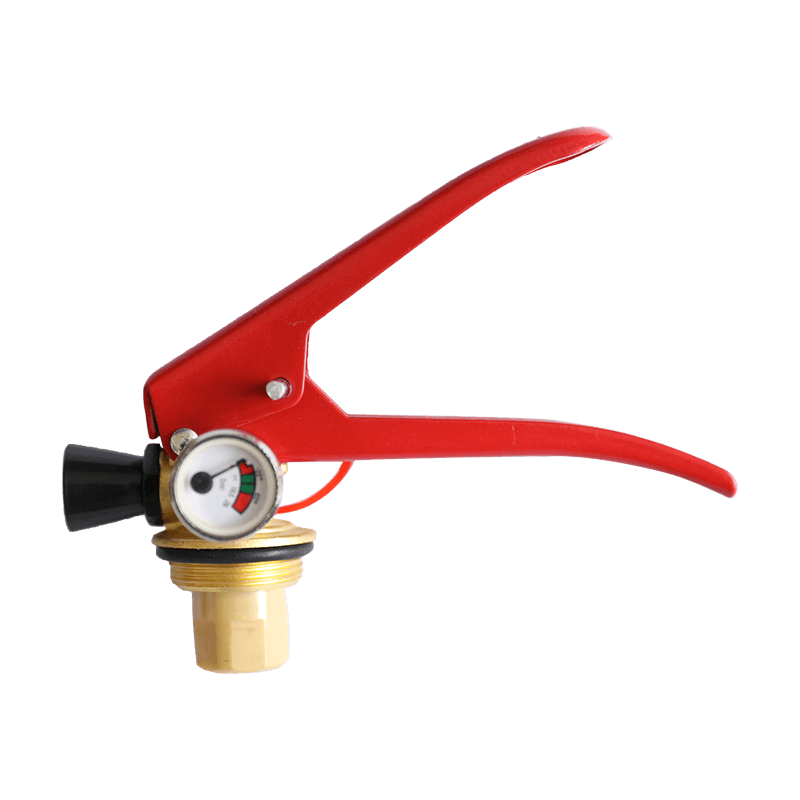
Choosing the right fire hydrant valves is crucial for e […]
Choosing the right fire hydrant valves is crucial for ensuring the effectiveness of your fire safety system. Here are some factors to consider when selecting fire hydrant valves:
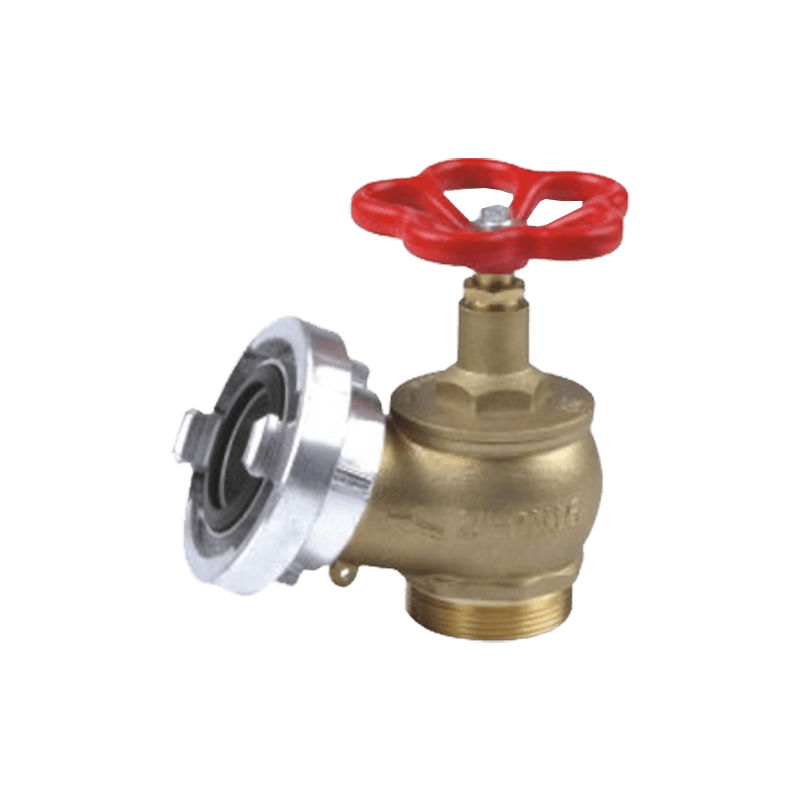
1. Valve Type: There are different types of fire hydrant valves available, including gate valves, butterfly valves, and ball valves. Gate valves are commonly used due to their simple design and reliable operation. However, butterfly valves and ball valves can provide faster opening and closing times, which may be advantageous in certain situations. Consider the specific requirements of your fire safety system to determine the most suitable valve type.
2. Size and Connection: Fire hydrant valves come in various sizes to accommodate different pipe diameters. Ensure that the valve size matches the diameter of the hydrant and the pipe system it will be connected to. Additionally, consider the type of connection required, such as threaded or flanged, to ensure compatibility with your system.
3. Material: Fire hydrant valves are typically made of durable materials such as brass, bronze, or ductile iron. The material should be corrosion-resistant and capable of withstanding high pressure and temperature conditions. Consider the environmental factors and the type of fluids that will flow through the system to select the appropriate material that offers long-term reliability.
4. Operating Mechanism: Fire hydrant valves can have different operating mechanisms, such as handwheel, gear-operated, or quarter-turn lever. The operating mechanism should be easy to use and provide smooth operation, allowing for quick and efficient activation in case of a fire emergency. Evaluate the accessibility and ease of operation when choosing the operating mechanism.
5. Flow Capacity: The flow capacity of the fire hydrant valve should be sufficient to meet the requirements of your fire safety system. Consider factors such as the water supply available, the required flow rate, and the size of the protected area. Ensure that the selected valve can provide the necessary water flow to suppress fires effectively.
6. Compliance with Standards: Fire hydrant valves should comply with relevant industry standards and regulations, such as those set by the National Fire Protection Association (NFPA) or the International Organization for Standardization (ISO). Ensure that the valves you choose meet the necessary standards for safety and performance.
7. Maintenance and Serviceability: Consider the ease of maintenance and availability of spare parts for the selected fire hydrant valves. Valves that are easily maintained and serviced will minimize downtime and ensure the longevity of your fire safety system.
8. Manufacturer Reputation: Select fire hydrant valves from reputable manufacturers known for producing high-quality, reliable products. Research customer reviews, certifications, and the manufacturer's track record to ensure you are choosing valves from a trusted source.
Consult with fire safety professionals, engineers, or reputable suppliers to assist you in selecting the appropriate fire hydrant valves based on your specific fire safety system requirements. They can provide valuable guidance and help you make an informed decision to ensure the reliability and effectiveness of your fire safety system.
 简体中文
简体中文 English