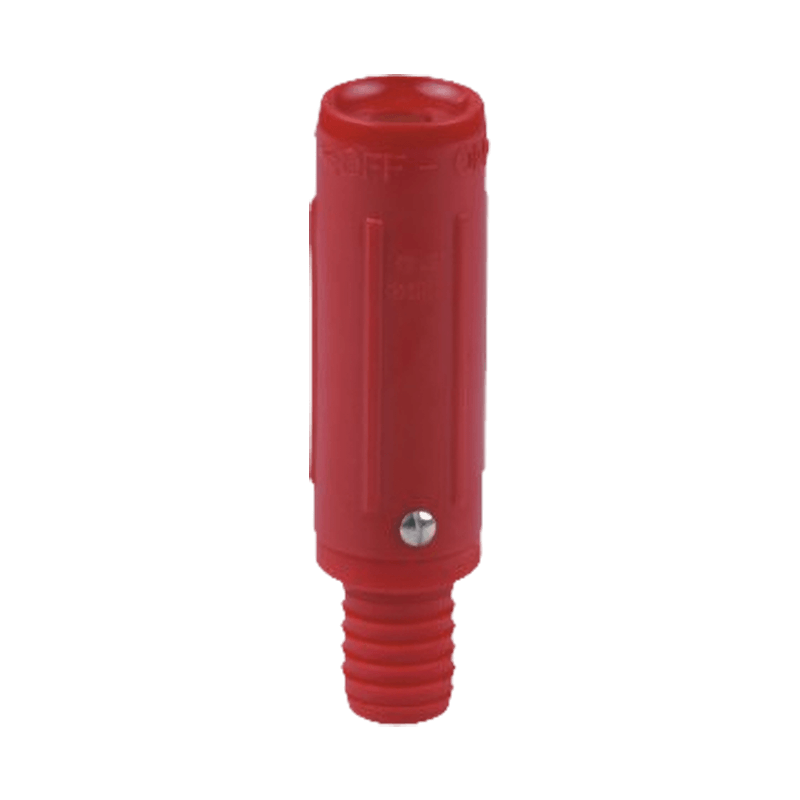
Proper maintenance and inspection of fire hydrant valve […]
Proper maintenance and inspection of fire hydrant valves are crucial to ensure their functionality and reliability during emergency situations. Here are some guidelines to follow:
1. Regular Inspection Schedule: Establish a routine inspection schedule for fire hydrant valves. This could be monthly, quarterly, or as per local regulations and industry standards.
2. Visual Inspection: Perform a visual inspection of the fire hydrant valve and its surroundings. Look for signs of damage, corrosion, leaks, or any obstructions that may hinder its operation.
3. Accessibility: Ensure that the fire hydrant valve is easily accessible, free from obstructions such as vegetation, debris, or parked vehicles. Maintain clear signage indicating the hydrant's location.
4. Lubrication: Periodically lubricate the valve stem and operating nut to ensure smooth operation. Use a manufacturer-approved lubricant and follow the recommended intervals.
5. Valve Operation: Test the valve's operation to ensure it opens and closes properly. Fully open and close the valve a few times to check for any sticking or binding. Ensure that the valve fully closes and does not leak when closed.
6. Pressure Testing: Conduct periodic pressure testing of the hydrant to ensure it can withstand the required operating pressure. Follow local regulations and industry standards for pressure testing procedures.
7. Sealing Cap and Chains: Inspect the hydrant's sealing cap and chains. Ensure that the cap is in good condition, properly seated, and seals the hydrant outlet effectively. Check the chains for any damage or missing links.
8. Drainage: Verify that the hydrant's drain valve is functional and allows proper drainage. Check for any obstructions or signs of clogging that may hinder water flow.
9. Painting and Markings: Keep the fire hydrant valve and its surrounding components properly painted and marked. Use reflective paint or tape for increased visibility, especially during low-light conditions.
10. Record Keeping: Maintain a detailed record of all inspections, maintenance activities, repairs, and tests performed on each fire hydrant valve. Include dates, findings, and actions taken. This information is vital for tracking the history and condition of the hydrants.
11. Training and Documentation: Ensure that personnel responsible for inspecting and maintaining fire hydrant valves receive appropriate training. Keep manufacturer manuals, guidelines, and relevant standards readily available for reference.
Remember to adhere to local regulations, industry standards, and any specific guidelines provided by the fire department or water authority in your area. Regular maintenance and inspections will help keep fire hydrant valves in optimal condition, ensuring their reliability during emergencies.
 简体中文
简体中文 English