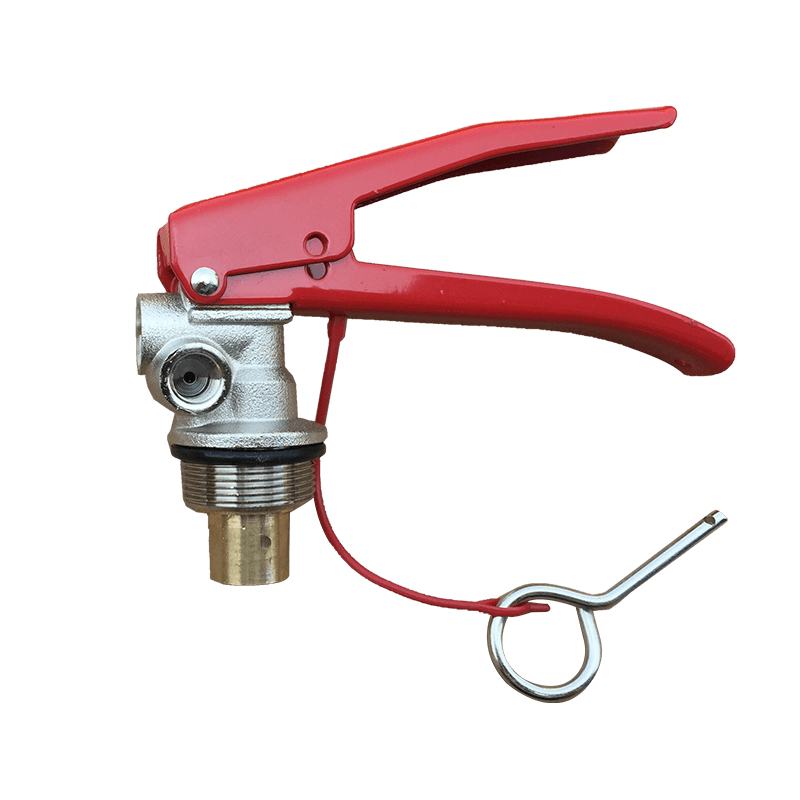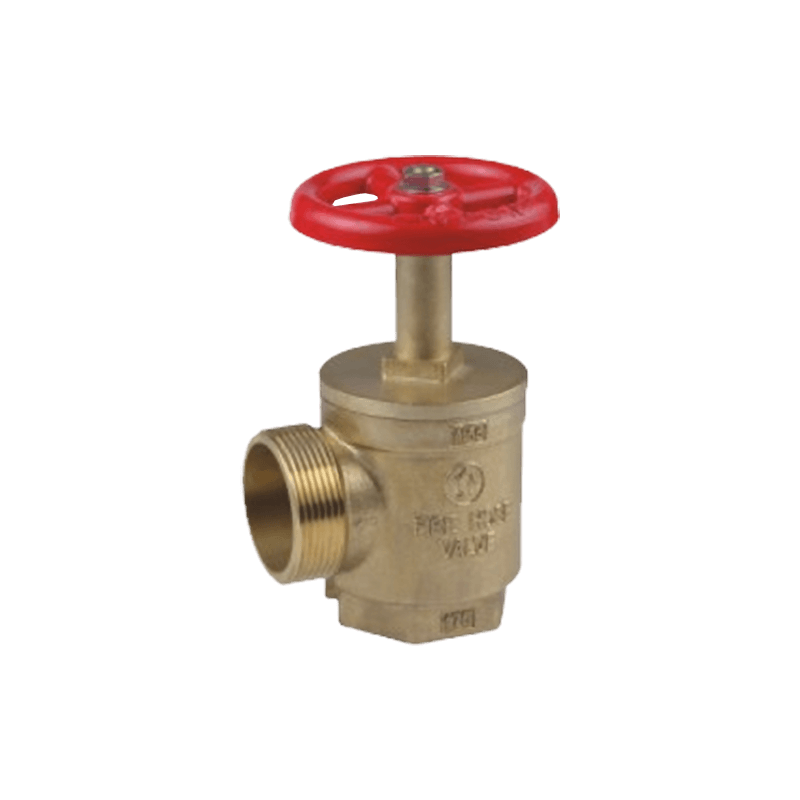
Types A cylinder valve is a component of the valve syst […]
Types
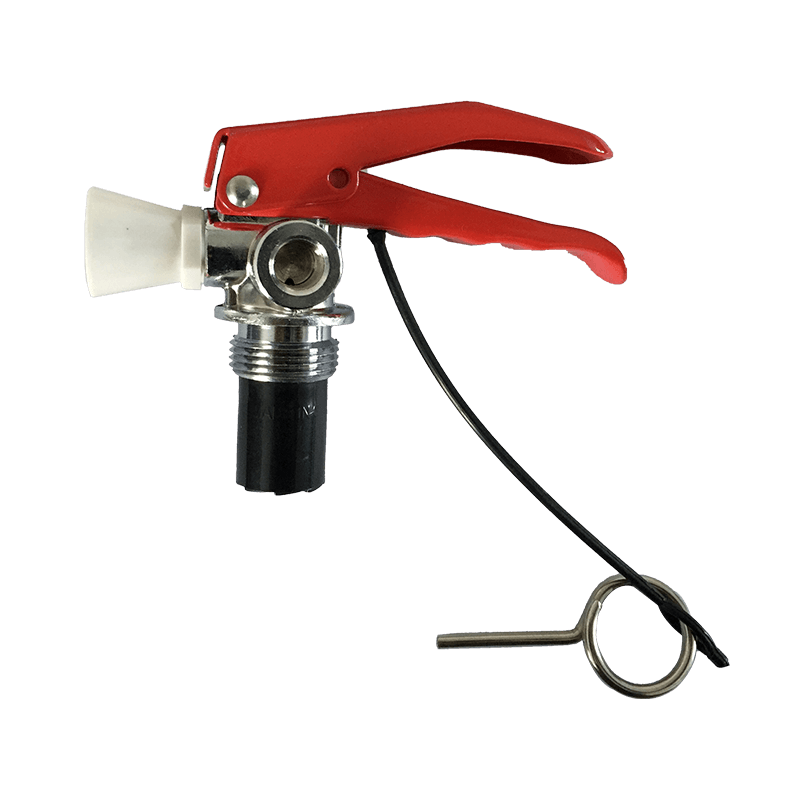
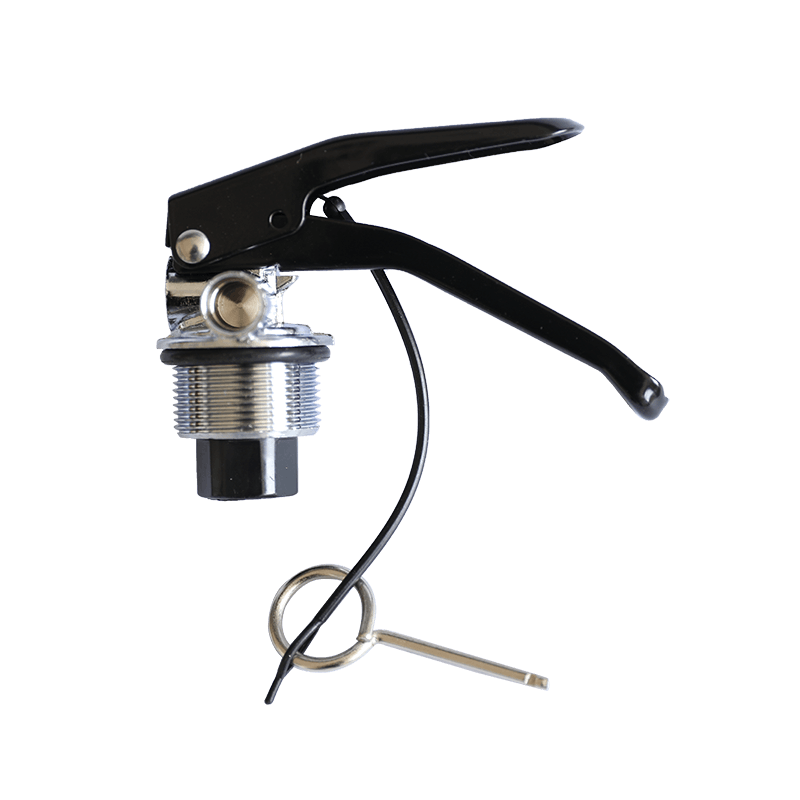
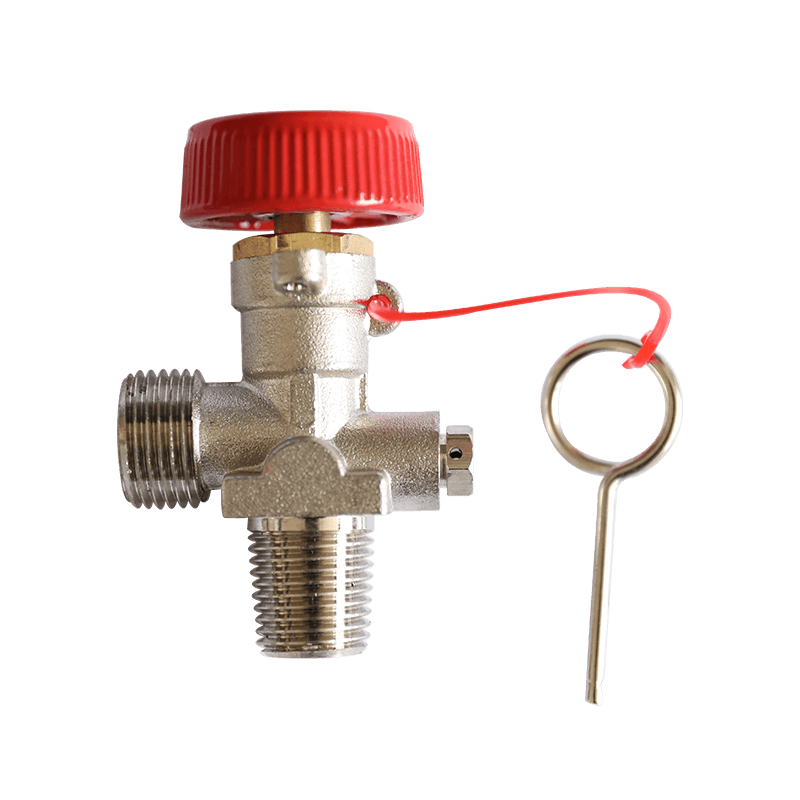
A cylinder valve is a component of the valve system used in gas cylinders. This device is usually threaded on both the upper and lower parts. Depending on the category of gas being used, the valves have different threading patterns. This makes it harder to misuse a cylinder, and can result in disaster. For example, a hydrogen cylinder cannot be used with an oxygen regulator. Also, some valves have both an upper and lower spindle.
Cylinder valves may be made from different materials. Non-ferrous materials are typically used, and valves made of copper or non-ferrous materials are especially susceptible to stress corrosion cracking. Therefore, valve manufacturers should take special care when choosing a leak detection fluid. A common leak detection fluid contains amines or ammonia, which can corrode the valve.
Service life
The valves on gas cylinders have a standard service life of about 10 years, but with the introduction of residual pressure devices and extended periodic inspection periods, the lifespan of these cylinders may be increased. A manufacturer's Technical Information Sheet (TIS) provides guidance for managing valve service life.
When not in use, cylinders should be closed to avoid corrosion. If they are exposed to extreme temperatures, cylinders should be grounded to prevent flammable or corrosive gases from accumulating. The valve stem should be worked regularly to avoid freezing, and the valve must always be closed while not in use. While working, special wrenches should be left on the stem of the valve to ensure a safe shutoff of the gas supply. Also, when not in use, cylinders should be stored upright in a rack.
Marking
Gas cylinders must be clearly marked to identify their contents. Each cylinder valve should bear a sticker identifying the type of gas contained inside. Color codes are only applicable to five medical grade gases. The color codes can vary from supplier to supplier. To learn more about cylinder marking, read below. If you are unsure what type of marking is necessary for your gas cylinder, contact a certified technician. They will be able to help you determine which cylinder valves have the proper markings.
If the valves are not easily opened, the cylinder should be returned to the vendor. In addition to labeling the cylinder's contents, a valve safety cover should be used. Never remove a valve without a protective cover. If a valve is stuck, the cylinder should be returned to its vendor immediately. Otherwise, it may become contaminated by other substances. Marking the cylinders is very important for safety and security.
 简体中文
简体中文 English