A fire hydrant valve is one of several moving parts tha […]
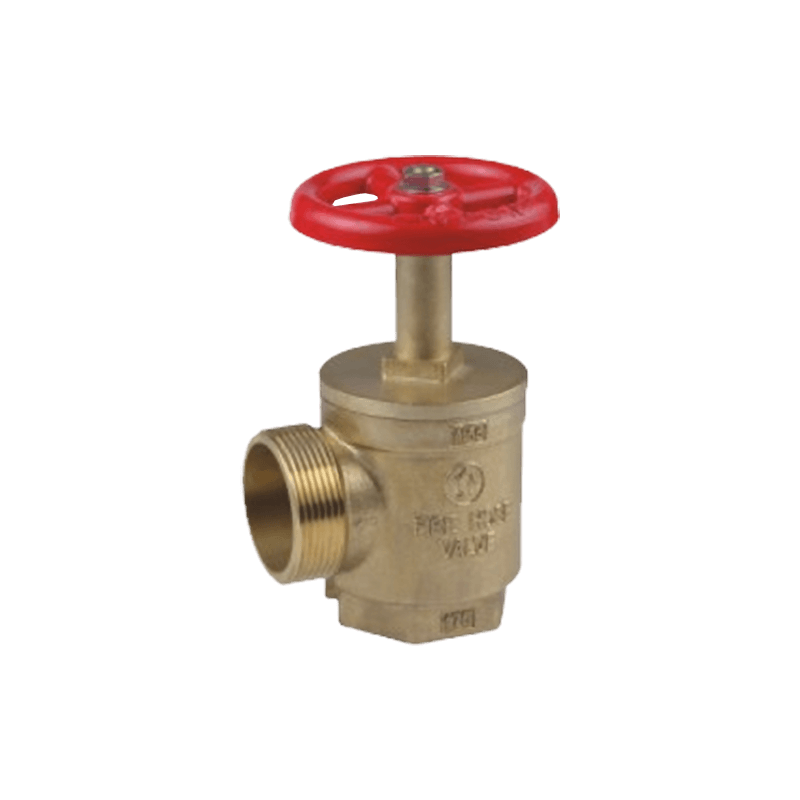
A fire hydrant valve is one of several moving parts that control water flow. There are several types of valves, including plug, butterfly, and gate valves. Each type has different functions. It allows water to flow in and out of the hydrant, while shutting off water flow if the nozzle is closed.
Fire hydrants are equipped with valves that can be turned to let water flow in or out. The valves are controlled by turning a metal stem. The portion of the stem that protrudes from the hydrant's exterior is called the operating nut. This piece is usually pentagonal-shaped and requires a special wrench to turn. The valve stem and insert can be replaced if they become worn or damaged.
Hydrant valves should be installed on fire hydrants for safety reasons. They should be carefully maintained so that they can last as long as possible. Occasionally cleaning and light greasing of stud threads and lugs will help ensure proper operation. Replace any consumable parts when needed.
Fire hydrants come in various styles and configurations. The traditional hydrant valve, which is shaped like a pipe sticking out of the ground, is one such design. It is characterized by a bronze seat that is formed in the top portion and an external cone that is formed on top of it. Its nut is secured by a cast iron boss that prevents it from pinging down.
 简体中文
简体中文 English