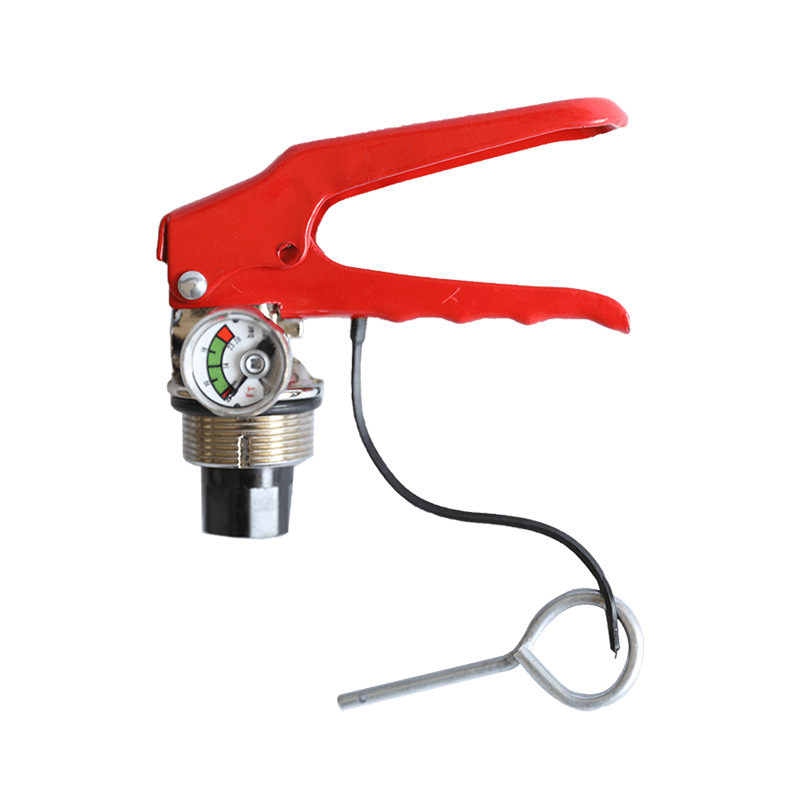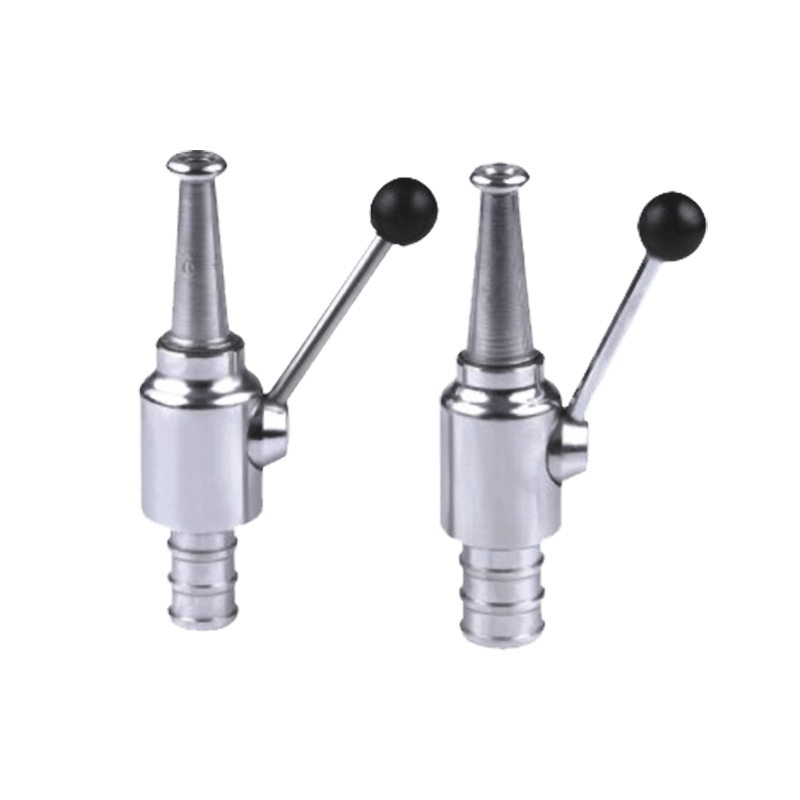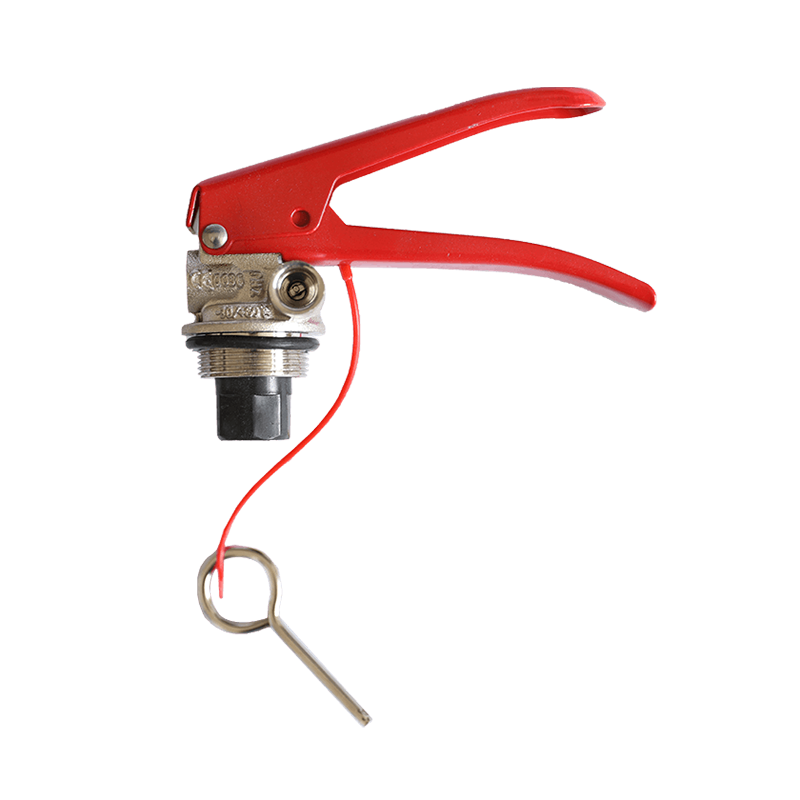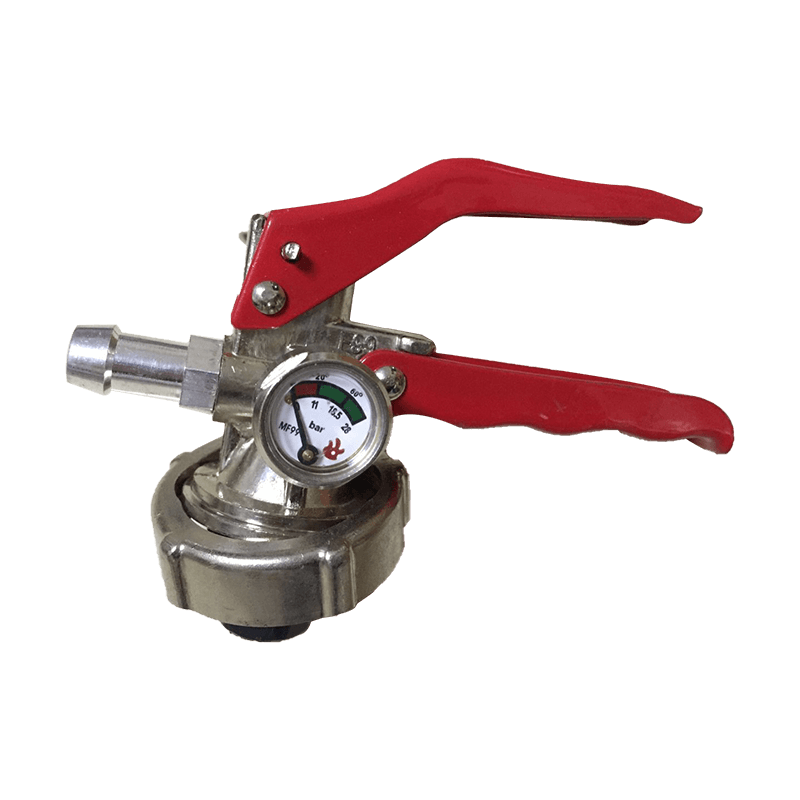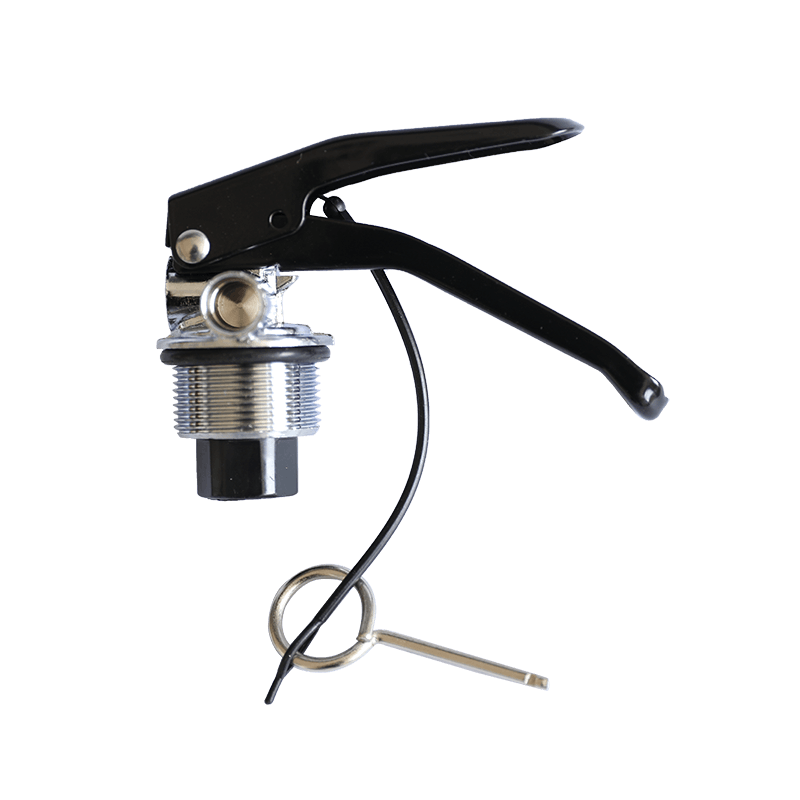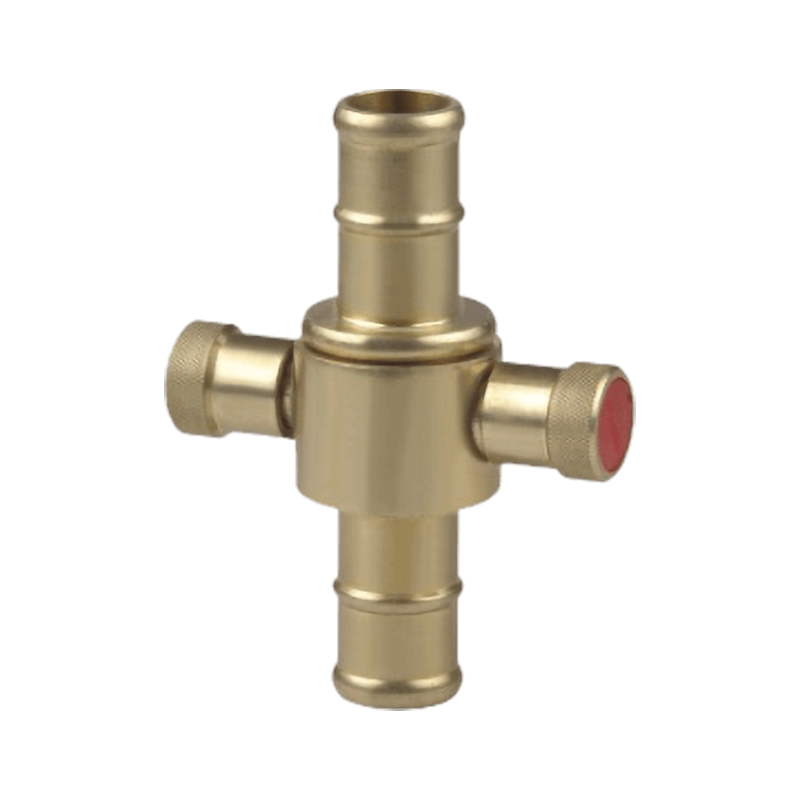
Fire hydrant valves come in different types. These incl […]
Fire hydrant valves come in different types. These include non-return, dry barrel, butterfly, and passive valves. The different types of valves can be used for different purposes.
Dry barrel hydrant
Fire hydrants are generally installed in areas where there is high vehicular traffic. Installation must be done with care to avoid damage from vehicles. Typically, hydrants are attached to a barrel by a hollow bolt. Some are designed with a breakaway flange, which allows them to separate from the barrel and be reinstalled easily if necessary.
Passive hydrant valves
Passive fire hydrant valves are invisible devices that can help protect fire hydrants. These devices work by securing a check valve that is located inside the hydrant. Since the check valve is hidden, emergency crews can still access the hydrant. However, the water cannot flow out of the hydrant if it is protected.
Non-return valves
Non-return fire hydrant valve systems are used to control the flow of water into a fire hydrant. The valves are usually set to operate in full-on or full-off positions. This allows the hydrant to be operated at a set amount of water and pressure, while preventing it from backflowing. In order to use a non-return fire hydrant valve, you must have a closed nozzle valve attached to the hydrant before operating the main valve.
Butterfly valves
Butterfly valves are control valves designed to control water flow in pipe systems. They have a body and a seat, with the body installed between two pipe flanges. The seat provides an air-tight seal between the body and disc, which allows the valve to close properly when the flow stops. Butterfly valves typically have two different designs: grooved and wafer. The latter is a modern replacement for lug-type valves. They are available in sizes 2 1/2 inches and larger.
Typically, these valves are made of bronze and are U/L listed and FM Approved. Their simple design makes them easy to install, maintain, and repair. They are also more affordable than gate valves, and are easier to operate.
Landing valves
Landing valves for Fire Hydrant valve applications are designed to provide water to firefighters. They are normally installed on the ground floor of a building and can be permanently charged with water from a pressurized water supply. Firemen connect to these valves when a fire breaks out and use them to put out the flames. Because they are permanently charged with water, it's important to use them carefully. Opening or closing them too quickly can create water hammer, which can damage nearby pipes.
Fire hydrant valves come in a variety of shapes, sizes, and materials. Their basic function is the same, but their designs can vary depending on where they're installed and what code requirements they need to meet. For instance, a high rise building may need a hydrant valve that regulates the flow of fire suppressants. A pressure regulating hydrant valve, on the other hand, is designed to limit the amount of water that is allowed to be pumped from a fire hydrant.
 简体中文
简体中文 English