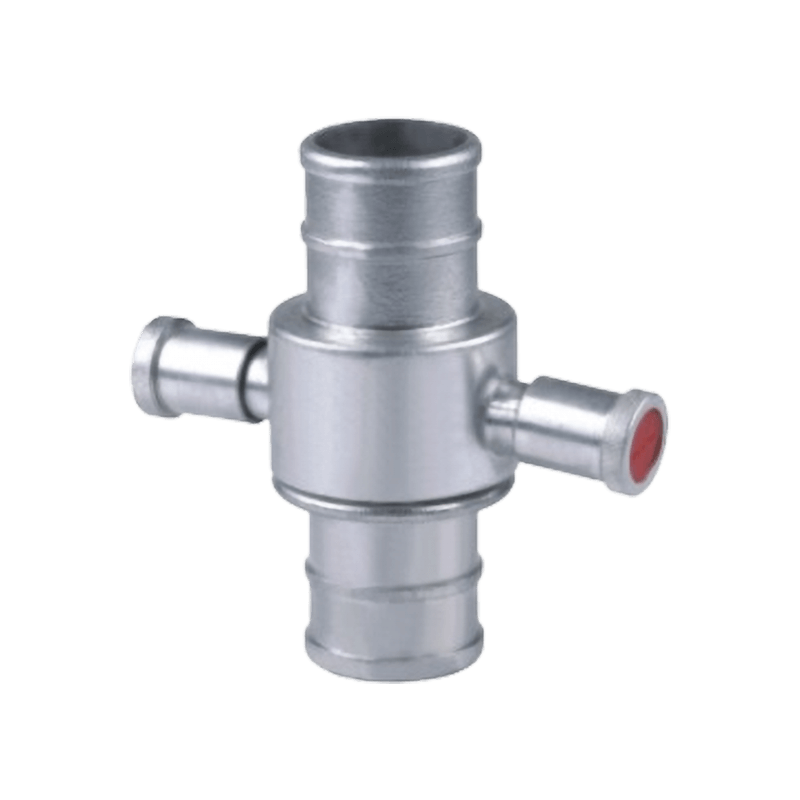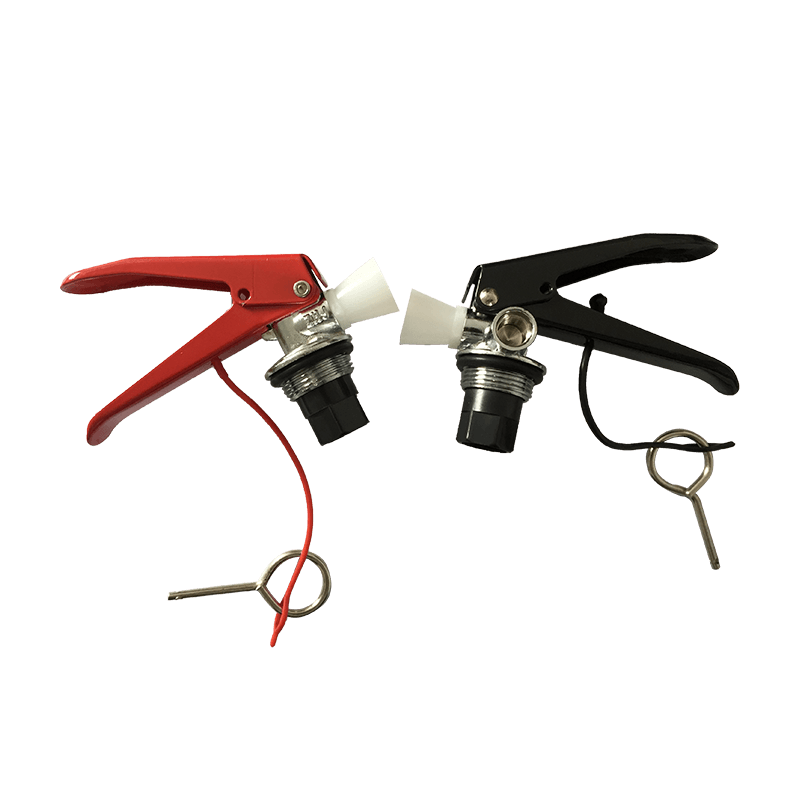
Fire hydrants are water-supplying devices for firefight […]
Fire hydrants are water-supplying devices for firefighting operations. They are typically made of cast iron or aluminum. Their valves are activated by turning a metal stem. The part of the stem that protrudes from the exterior of the hydrant is called an operating nut. It is turned with a special wrench to open and close the hydrant valve. The hydrant valves are often made of two pieces with a separate head and spool.
There are three types of fire hydrant valves: a check valve, a plug valve, or a standard fire hydrant valve. Check valves are the most common type of hydrant valve because they prevent backflow and only allow water to flow out in a certain direction. A plug valve, on the other hand, is the least common type of fire hydrant valve. These valves are most commonly used in wastewater applications, because they require a higher force to open. As a result, they are not ideal for typical firefighting water use.
Flow control is a key part of the job of a firefighter. Any sudden changes in the flow of water can result in damage to equipment or pipes. Water is a fluid and does not have the compressibility to stay in one place, which means that it prefers to move elsewhere. Therefore, sudden changes in flow can lead to the formation of hydraulic transients or pressure surges.
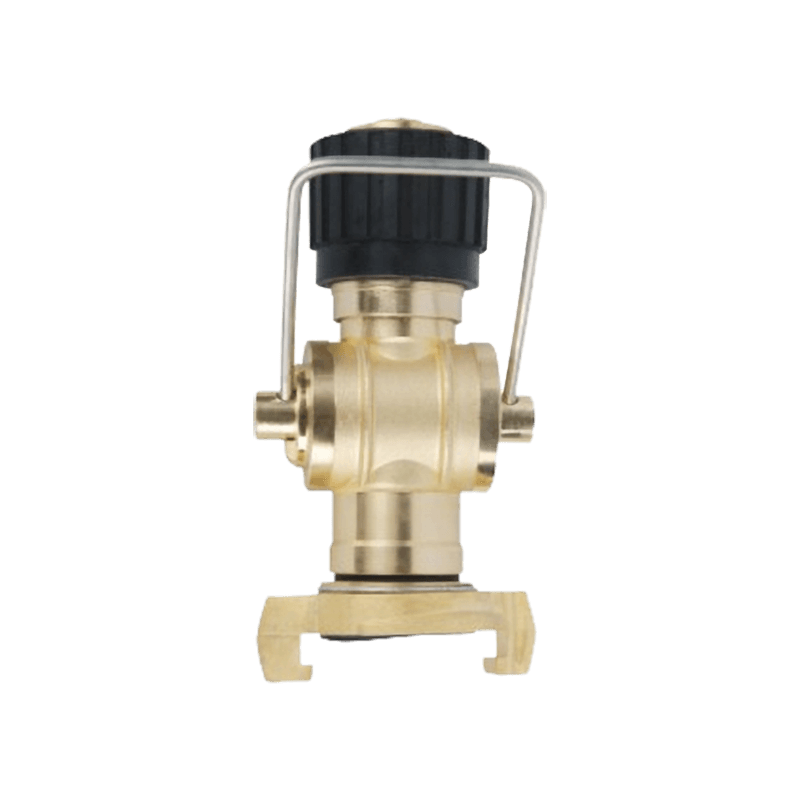
A fire hydrant valve is a mechanical device that controls fire water in municipal and industrial applications. It is usually installed on a hydrant stand post. It is similar to a landing valve, but more closely associated with building applications. Its main purpose is to provide uniform pressure to fire mains.
Fire hydrants are a vital part of a city's emergency response system. As such, it is important to understand how to operate and adjust the valve. Using a fire hydrant valve calculator will help you determine the right amount of water flow. It will also allow you to determine how much pressure your system is able to produce.
 简体中文
简体中文 English