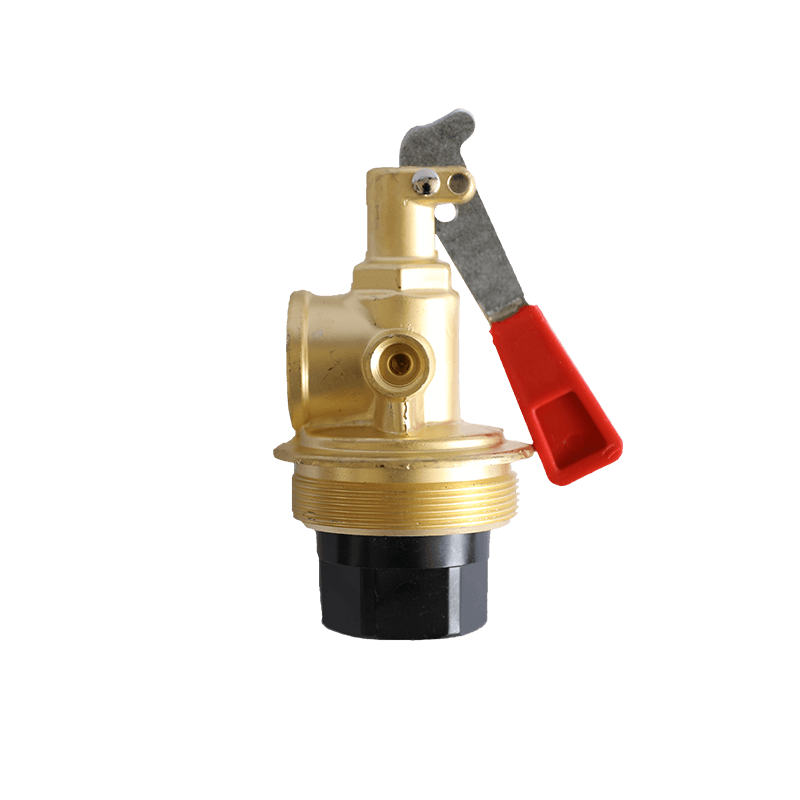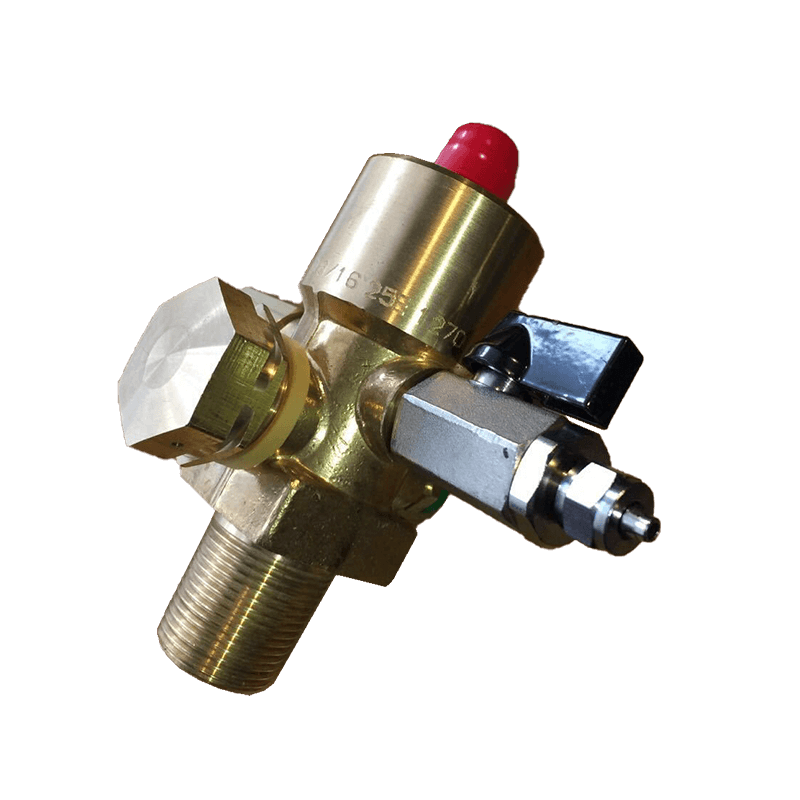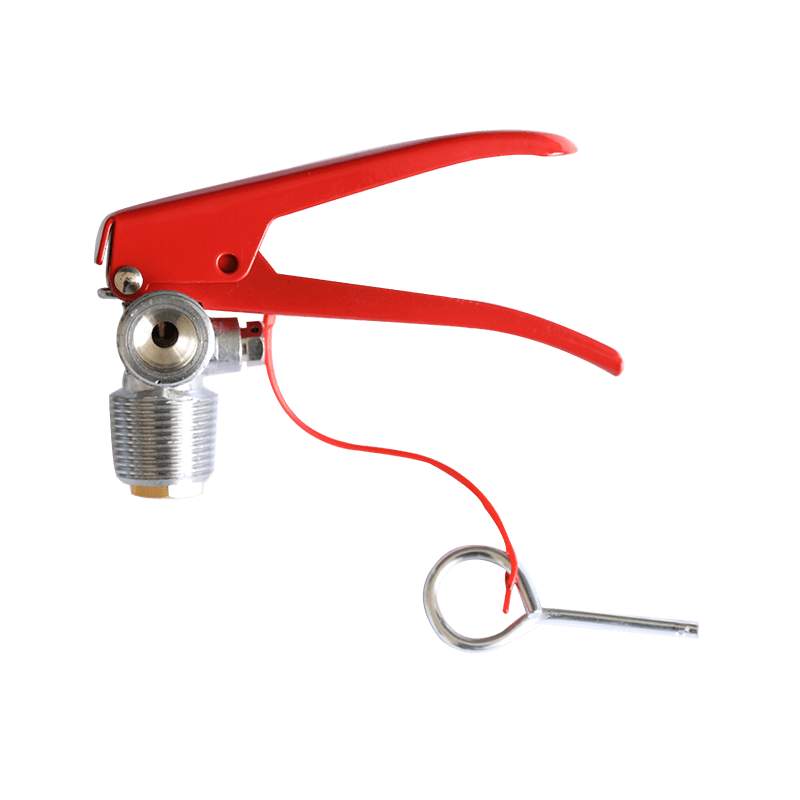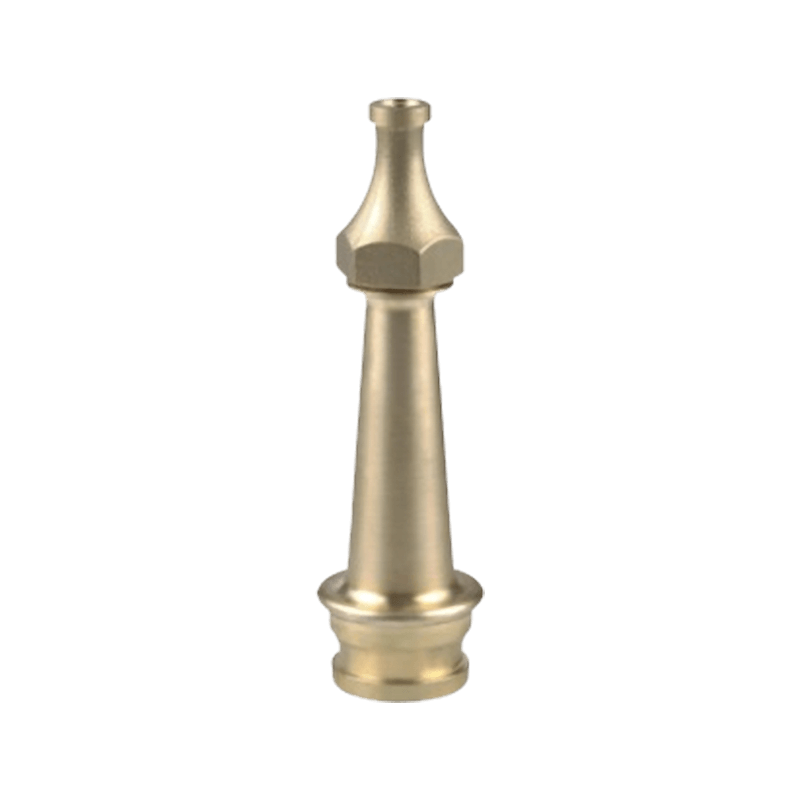
A fire extinguisher refers to a fire extinguisher that […]
A fire extinguisher refers to a fire extinguisher that can spray the filled fire extinguishing agent under the action of its internal pressure to extinguish a fire, and can be moved by manpower for easy access. The task of the fire extinguisher is to fight the first fire. It is widely used in many occasions due to its simple structure, lightness and flexibility, and convenient use. It is a popular fire extinguishing tool that is ideal in actual fire fighting. Therefore, reasonable deployment and use of fire extinguishers play a pivotal role in fighting and controlling the initial fire.
Fire extinguisher configuration requirements
1. The number of fire extinguishers in underground buildings should be increased by 30% according to the corresponding regulations on ground buildings;
2. For places with fire hydrant systems, the number of fire extinguishers can be reduced by 30%; for places with fire extinguishing systems, the number of fire extinguishers can be reduced by 50%; for places with hydrants and fire extinguishing systems, the number of fire extinguishers can be reduced by 70%. .
3. Open-air stacking of combustibles, Class A, B, and C liquid storage tanks, and combustible gas storage tanks for fire extinguisher configuration places, the number of fire extinguishers can be reduced by 70% accordingly.
4. There should be no less than 2 fire extinguishers in a fire extinguisher deployment site. There should not be more than 5 fire extinguishers at each set point.
5. Fire extinguishers with compatible fire extinguishing agents should be used in the same fire extinguisher configuration site, and fire extinguishers with the same operation method should be selected as far as possible.
The main requirements for the setting of fire extinguishers are as follows:
1. It should be set in an obvious place. The so-called obvious place, generally speaking, refers to the normal passage, including the entrance and exit of the room, corridors, halls and stairs.
2. It should be set up in a place convenient for people to access (including unobstructed and collision).
3. The setting of fire extinguishers shall not affect safe evacuation.
4. Obvious signs should be set up in large rooms or places where the line of sight is obstructed.
5. The fire extinguisher should be installed firmly. Portable fire extinguishers (including accessories when installing portable fire extinguishers) should be prevented from falling and other phenomena; cart-type fire extinguishers should not be installed on slopes and places with weak foundations, so as to prevent the fire extinguisher from being inoperable or hurting people.
6. The nameplate of the fire extinguisher must face outwards so that the main technical performance indicators and instructions for use of the fire extinguisher can be directly seen during use.
7. Portable fire extinguishers should be installed on hooks, brackets or in fire extinguisher boxes. The height from the top to the ground should be less than 1.50m, and the height from the bottom to the ground should not be less than 0.15m.
8. Fire extinguishers should not be installed in damp or corrosive locations.
9. Protective measures should be taken for fire extinguishers installed outdoors.
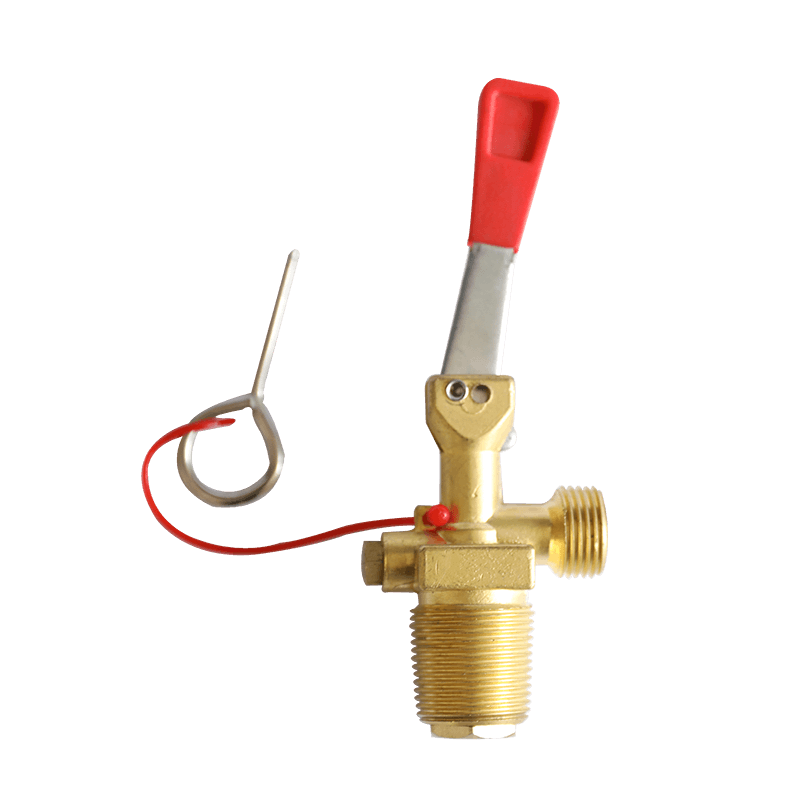
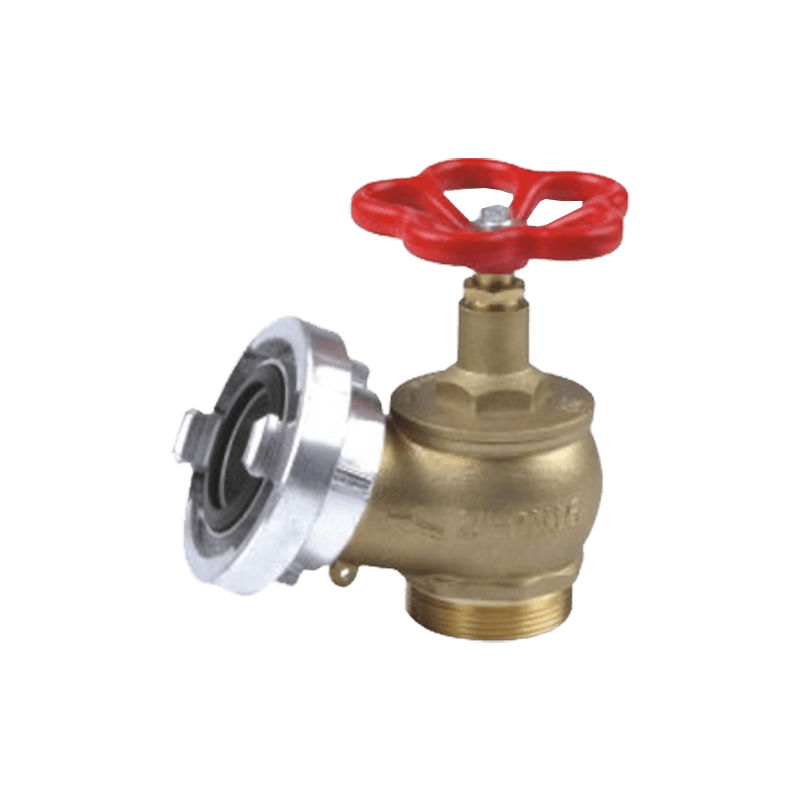
Selection of accessories for fire extinguishers:
Choose products produced by regular manufacturers.
It is necessary to seek professional opinions on the matching of fire extinguishers.
Regularly check the function of fire extinguisher accessories.
If the accessories are found to be damaged, they must be replaced and repaired in time.
 简体中文
简体中文 English